
Product Comparison

Welding Table Materials Explained: Steel, Cast Iron & Nitriding

When someone starts digging into the question “What should welding tables be made of?” the answers online can feel a bit all over the place. Some swear by raw cast iron; others use only nitrided steel. Then there are stainless steel tables, cast iron fixture tables, and a dozen variations in between.

The truth is simple: the material of your welding table isn’t just a “nice-to-know” detail. It directly affects how accurate your work is, how long your table lasts, how much time you spend on maintenance, and how enjoyable your day in the shop feels.

This guide breaks down the most common welding table materials from raw cast iron, nitrided cast iron, nitrided steel, and stainless steel, and explains how to pick the right one for your shop and your work.

What Welding Tables Should Be Made Of (and Why It Matters)

A welding table isn’t just a flat slab you tack steel onto.
It’s the foundation of your entire workflow.

The material determines things like:
  • Flatness and stability
  • Resistance to heat, spatter, and corrosion
  • Electrical conductivity (important for grounding)
  • Longevity and wear over time
  • Compatibility with clamps, pins, and fixture tooling

Getting this wrong means more warping, more cleanup, more headaches, and a table that never quite does what it should.

Getting it right means faster setups, cleaner welds, and better consistency.

Material Thickness: Why 20–25mm Matters

Regardless of the material you choose, thickness plays a huge role in rigidity and vibration dampening.

  • Raw Cast Iron: ~20mm
  • Nitrided Cast Iron: ~25mm
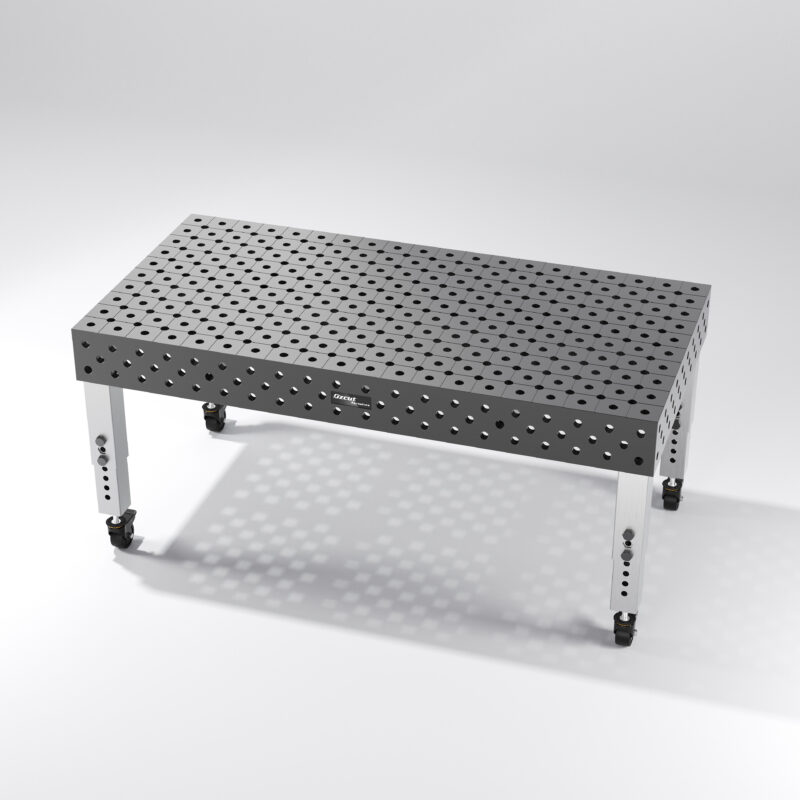
  • Nitrided Steel: ~25mm

Thinner plates flex under load and over time.

In serious fabricating, a table that moves (even half a millimetre!) throws everything out of square.

20–25mm is the sweet spot for handling heavy fabrications, resisting heat distortion, and staying flat for years.

Material 1: Raw Cast Iron

The traditional “old school” favourite

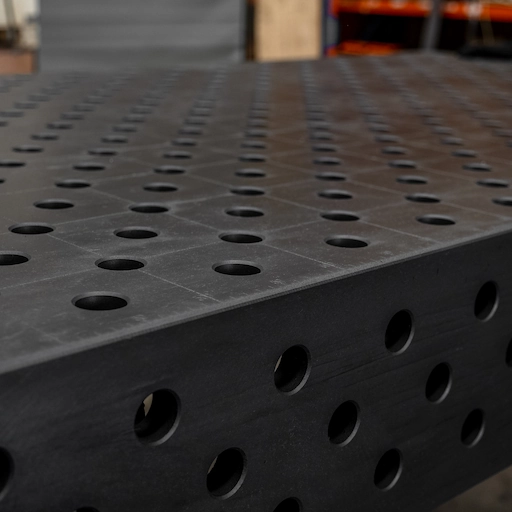
A raw cast iron welding table brings excellent rigidity and natural spatter resistance. Cast iron has been used in machining and fabrication for decades because of its natural stability and flatness.
Advantages

  • Natural spatter resistance
  • Naturally very flat
  • Heat-resistant

Disadvantages

  • Prone to rust
  • Requires frequent cleaning and oiling
  • Surface can mark or pit more easily
  • Not ideal for high-speed production environments

Best for

  • Traditional fabricators
  • Shops working on precision or jig-heavy projects
  • Environments with controlled humidity
  • Users who don’t mind regular maintenance
If you like things “the old way”, raw cast iron still delivers. But there are modern upgrades that solve many of its issues.

Material 2: Nitrided Cast Iron

A cast iron table with modern armour

Nitriding is a surface-hardening treatment where the iron is heated in a nitrogen-rich environment.
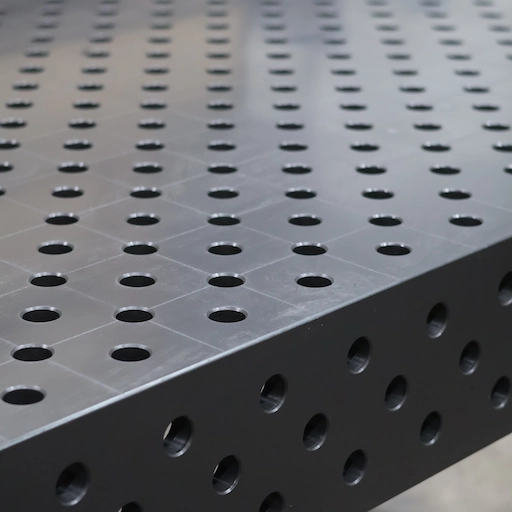
This transforms the outer layer into a hard, wear-resistant, spatter-resistant surface, while the core keeps all the benefits of cast iron.
Advantages

  • All the stability of raw cast iron
  • Dramatically improved anti-spatter
  • Highly corrosion-resistant
  • Less maintenance
  • Harder surface → better longevity

Disadvantages

  • More expensive than raw cast iron
  • Can chip if abused with massive point loads

Best for

  • Fabricators who want premium performance without constant maintenance
  • Production shops that want consistency
  • Heavy-duty fixturing and precision builds
  • Anyone wanting the best of cast iron + modern protection

This is what cast iron should have always been.

Material 3: Nitrided Steel

The modern workhorse in fabrication shops

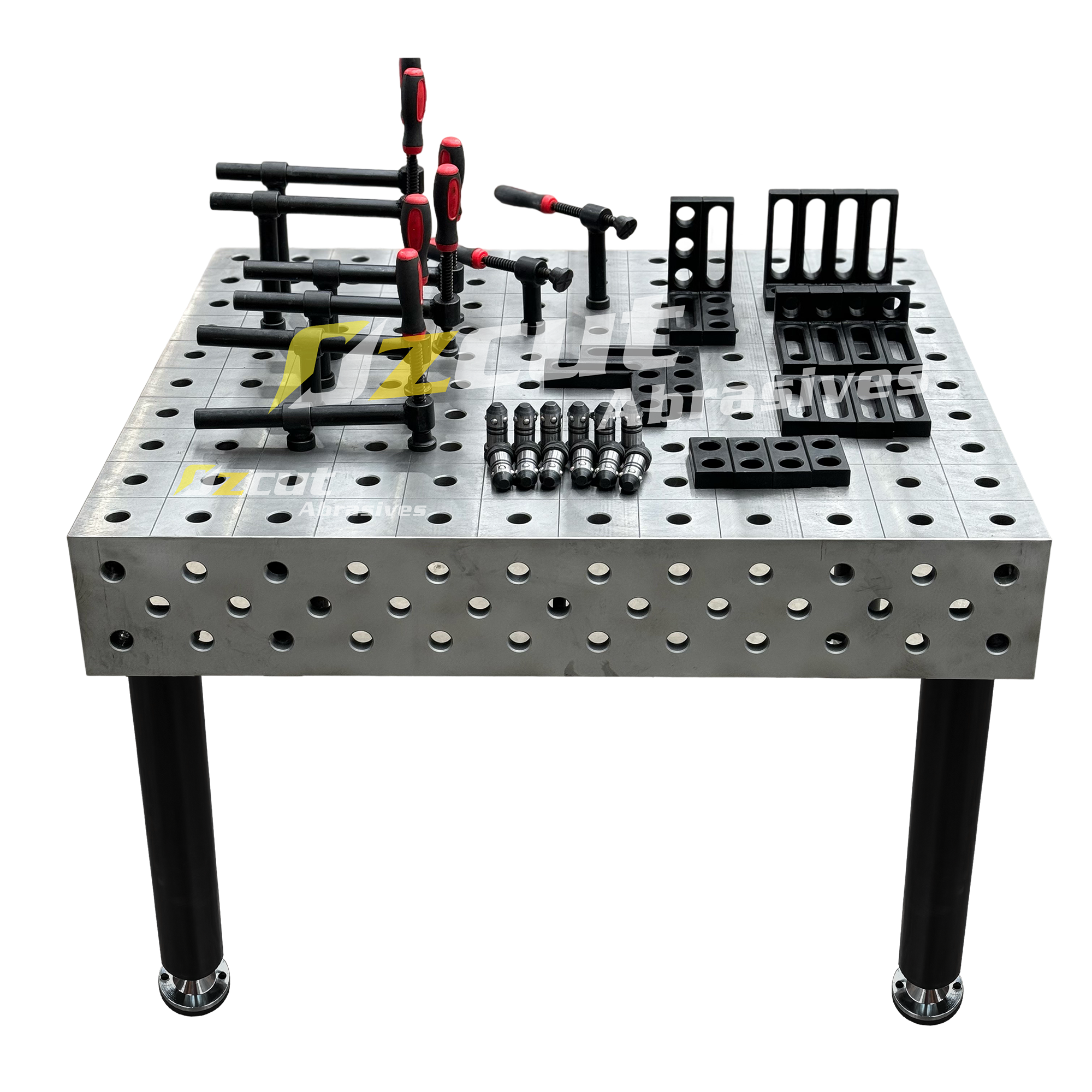
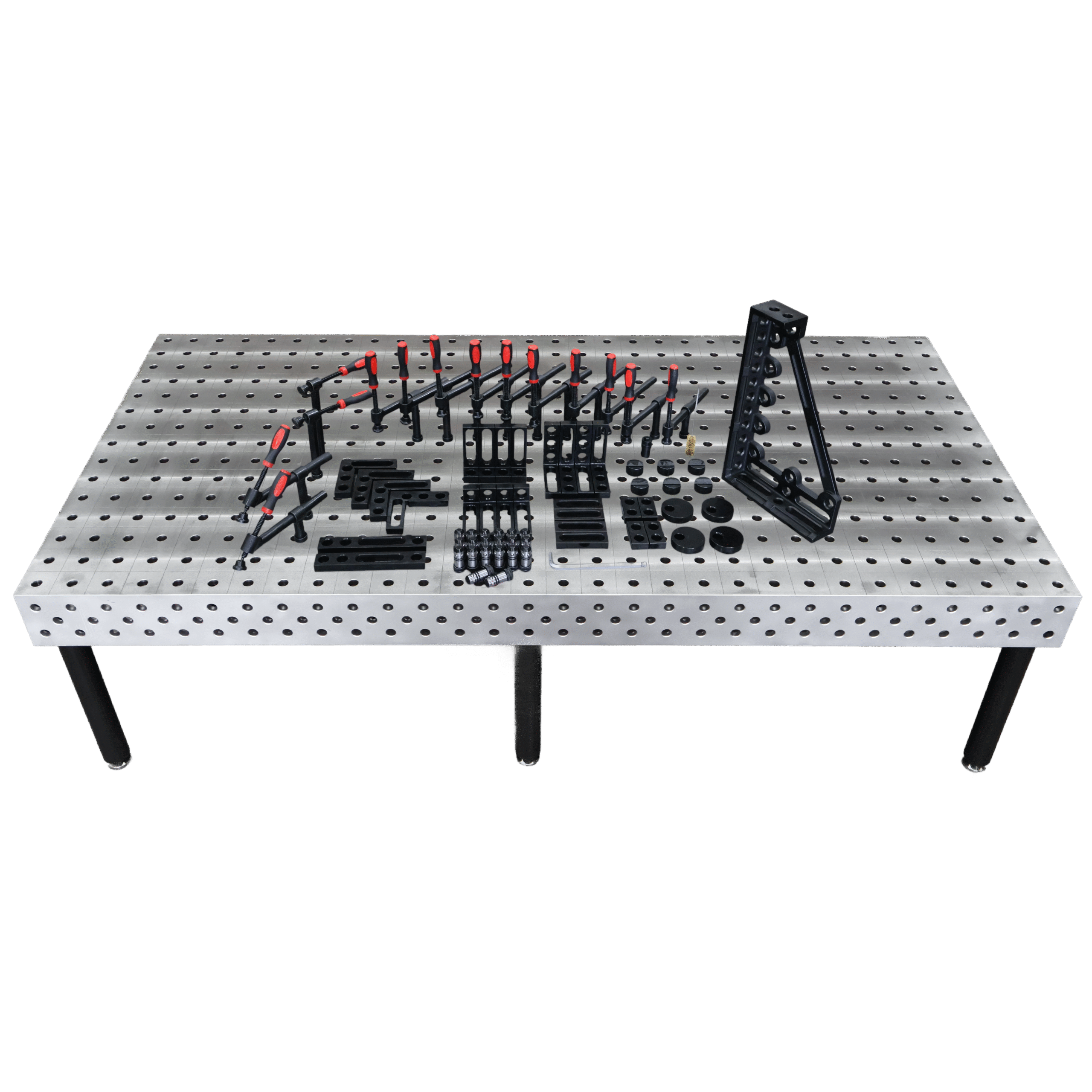
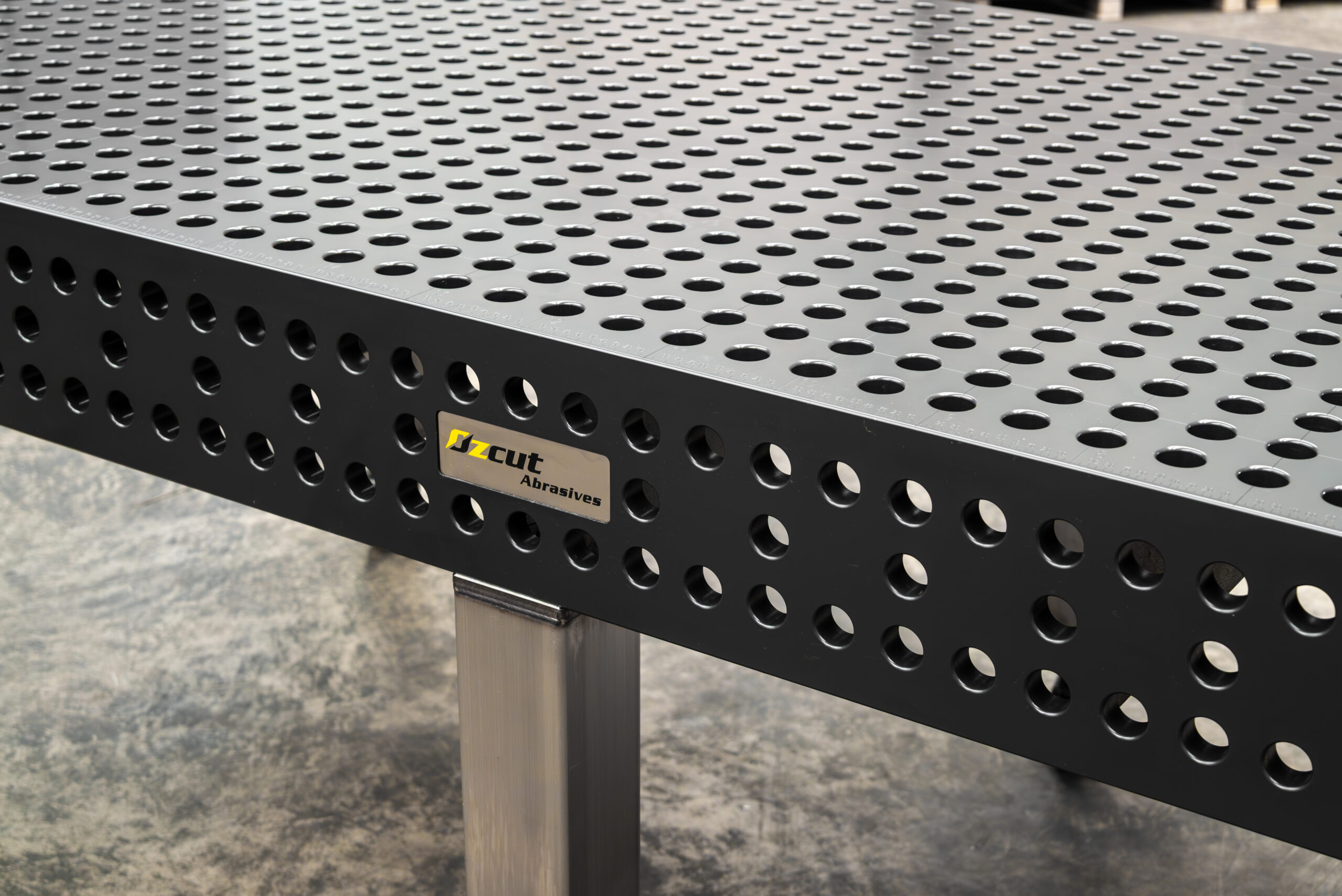
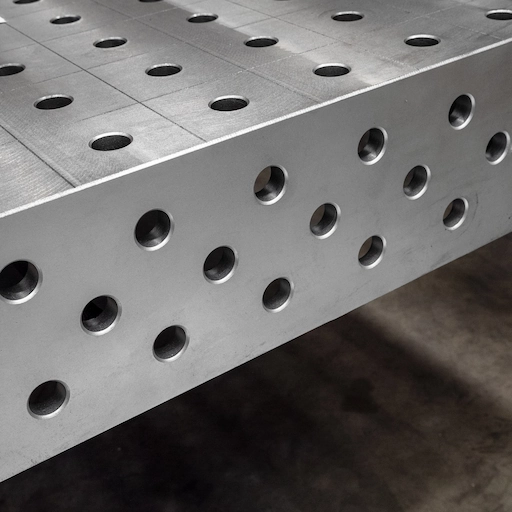
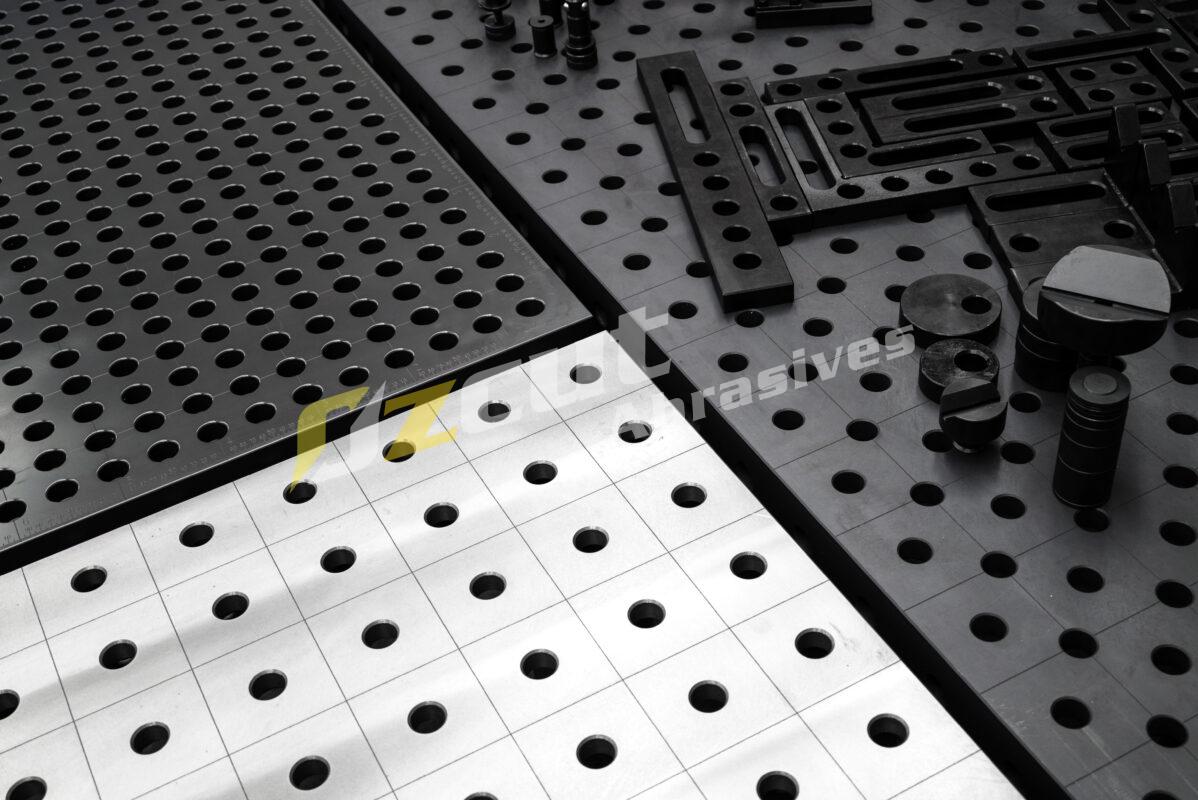
High-quality welding tables today are often made from nitrided steel, usually around 25mm thick.
Steel tables are already strong and durable, but the nitriding takes them to another level.
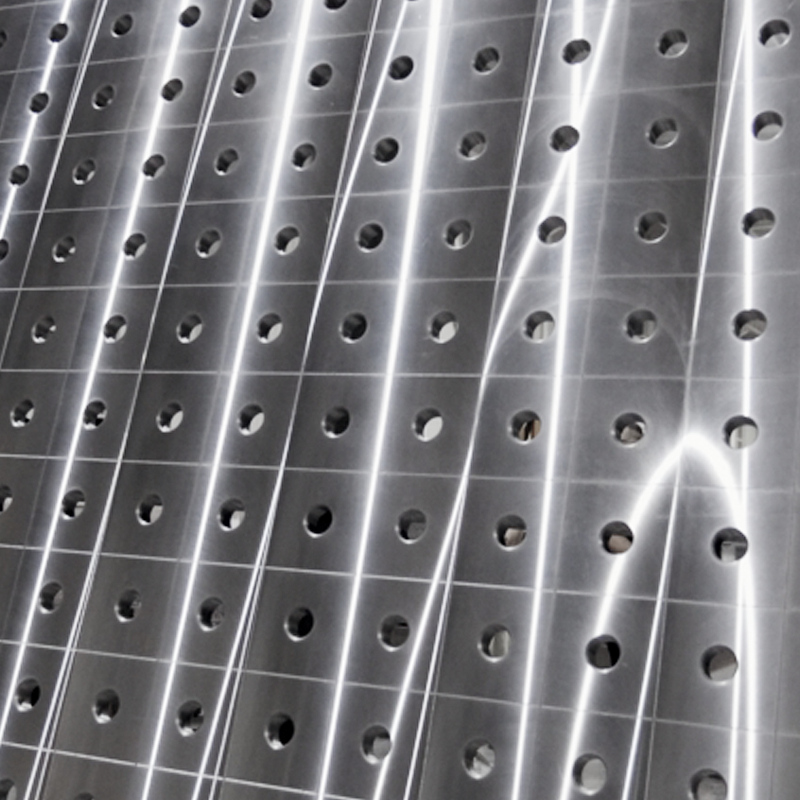
What nitriding does for steel:

  • Adds surface hardness
  • Boosts lifespan
  • Reduces wear from clamps and fixture tooling
  • Makes spatter clean-up a breeze
  • Adds corrosion resistance
  • Reduces long-term warping

This is why nitrided steel is used in so many professional European and Australian workshops.

Advantages

  • Extremely strong
  • Great for heavy fabrication
  • Very resistant to spatter
  • Lower maintenance than raw steel

Disadvantages

  • More expensive than standard mild-steel tops

Best for

  • Fabrication shops of all sizes
  • Structural work
  • Production work
  • Anyone who wants a long-lasting table with minimal maintenance

For most fabricators, nitrided steel is the best steel for welding tables. It fills the sweet spot between durability, cost, and practicality.

Material 4: Stainless Steel

Niche… but very useful in specific industries

Stainless steel welding tables look great, but they’re not for everyone.
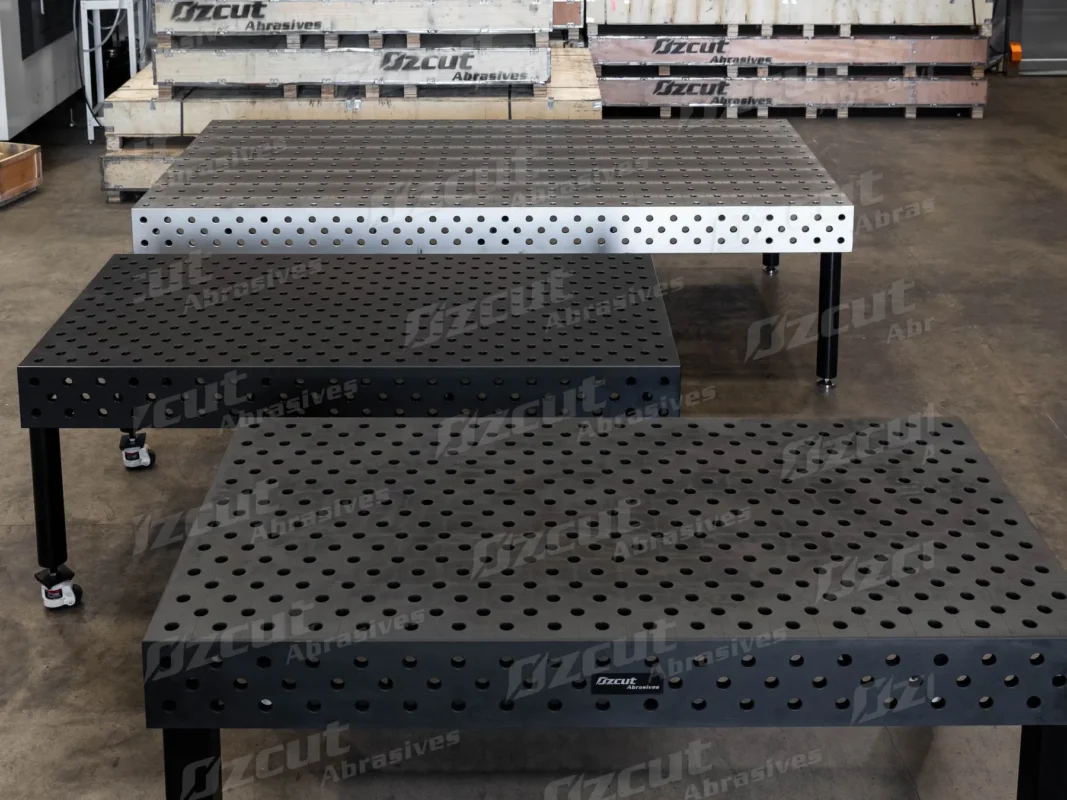
Advantages

  • Highly corrosion-resistant
  • Easy to clean
  • Non-porous surface
  • Ideal for food-grade, marine, or hygienic environments

Disadvantages

  • Heat conduction changes spatter behaviour
  • Spatter can embed into the welding table surface
  • More expensive
  • Not as dimensionally stable as cast iron
  • Not ideal for grounding in some welding applications

Best for

  • Food industry fabrication
  • Stainless-only workshops
  • TIG-focused environments
  • Clean rooms, laboratories, and specialist fabrication

If your shop works heavily with stainless, mirror-finish components, or hygiene-critical gear, stainless makes sense.

For general fabrication, steel or cast iron is far more practical.

How Nitriding Changes the Game

Nitriding is one of the biggest differences between modern and old-school fabrication tables.

For both steel and cast iron, nitriding improves:

  • Anti-spatter behaviour
    Spatter is far less likely to stick.
  • Maintenance
    Less scraping, grinding, or constant cleaning.
  • Longevity
    Harder surface = less wear from clamps, pins, and fixtures.
  • Corrosion resistance
    A nitrided table handles moisture and shop grime better.

It’s the number one upgrade that extends the lifespan of a table by years.

Which Welding Table Material Is Best for You?

Here’s a quick way to think about it:

Choose Raw Cast Iron if:

You want natural spatter resistance and don’t mind maintenance.

Choose Nitrided Cast Iron if:

You want the best version of cast iron with fewer headaches.

Choose Nitrided Steel if:

You want the most practical table for everyday fabrication, production, structural work, or general shop use.

Choose Stainless Steel if:

Your work requires hygienic surfaces, constant wash-down, or stainless-only environments.

Final Thoughts

Welding tables aren’t all built the same, and the material you choose will shape how you work for years. Whether you’re chasing precision, durability, low maintenance, or industry-specific performance, knowing your table’s material means you can confidently choose the right fit for your shop.

A good welding table is an investment. Picking the right material makes sure that the investment pays off every day, whether it’s through accuracy, speed, cleaner setups, or a smoother workflow.