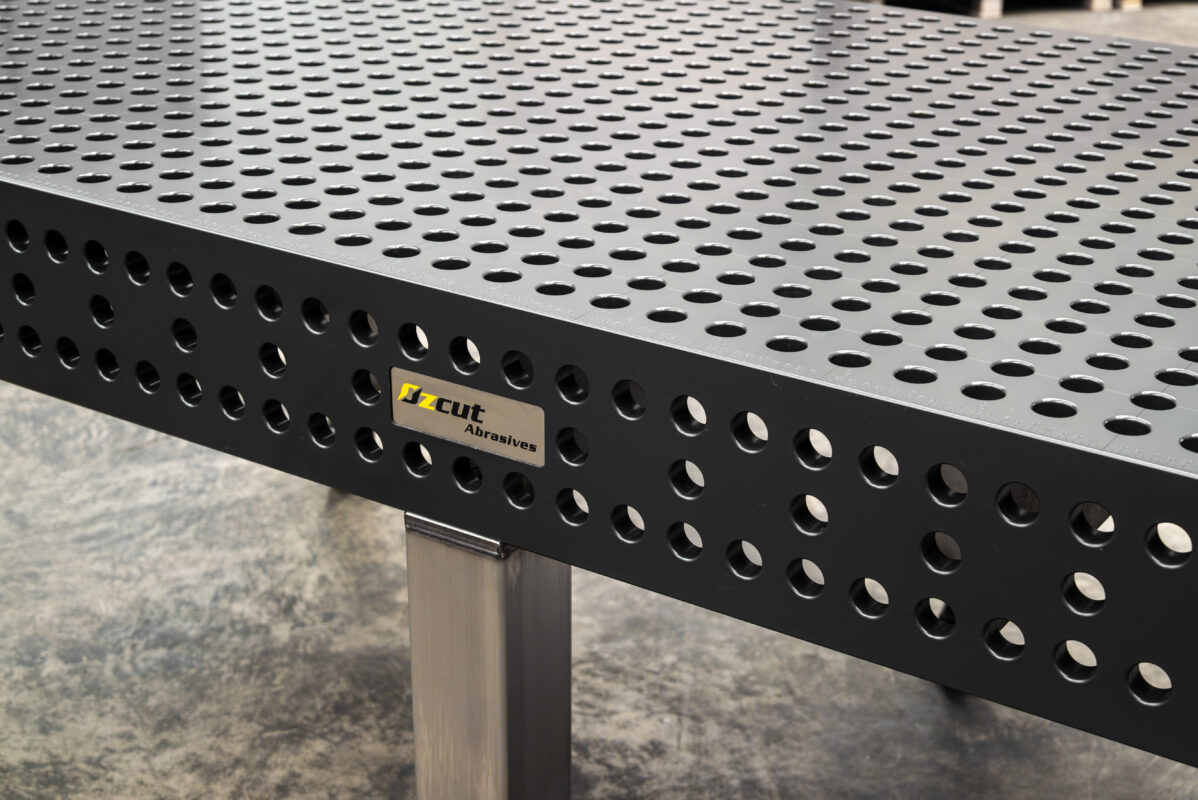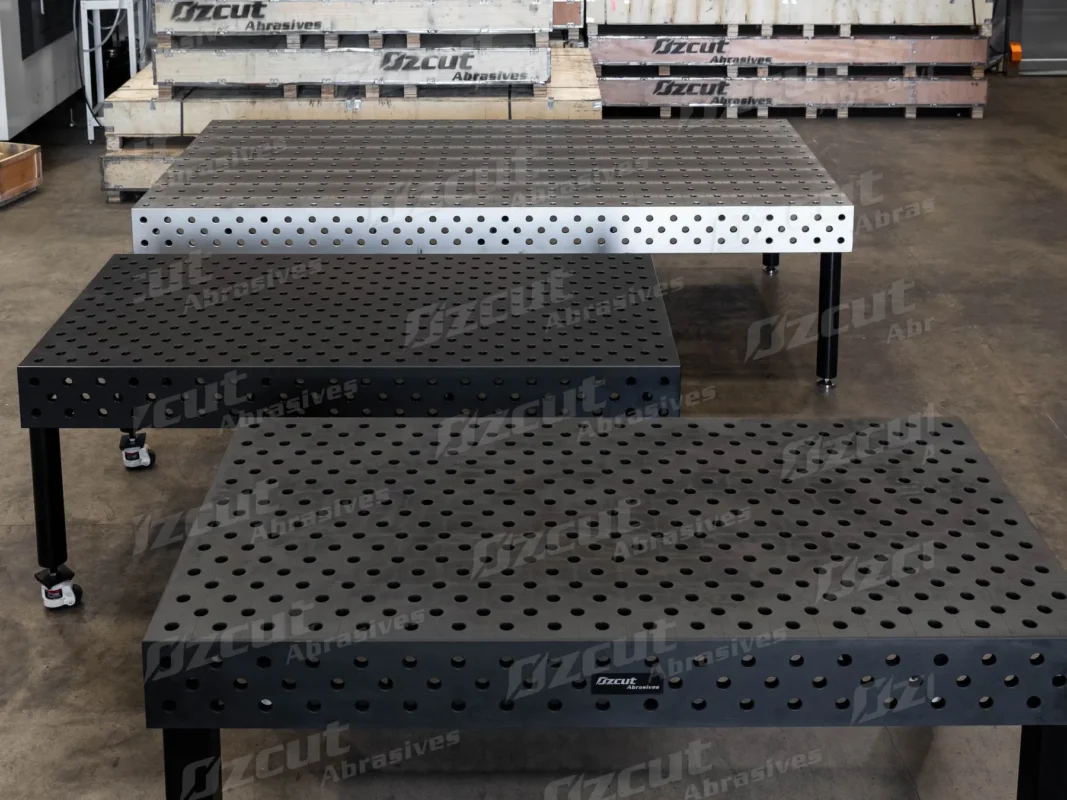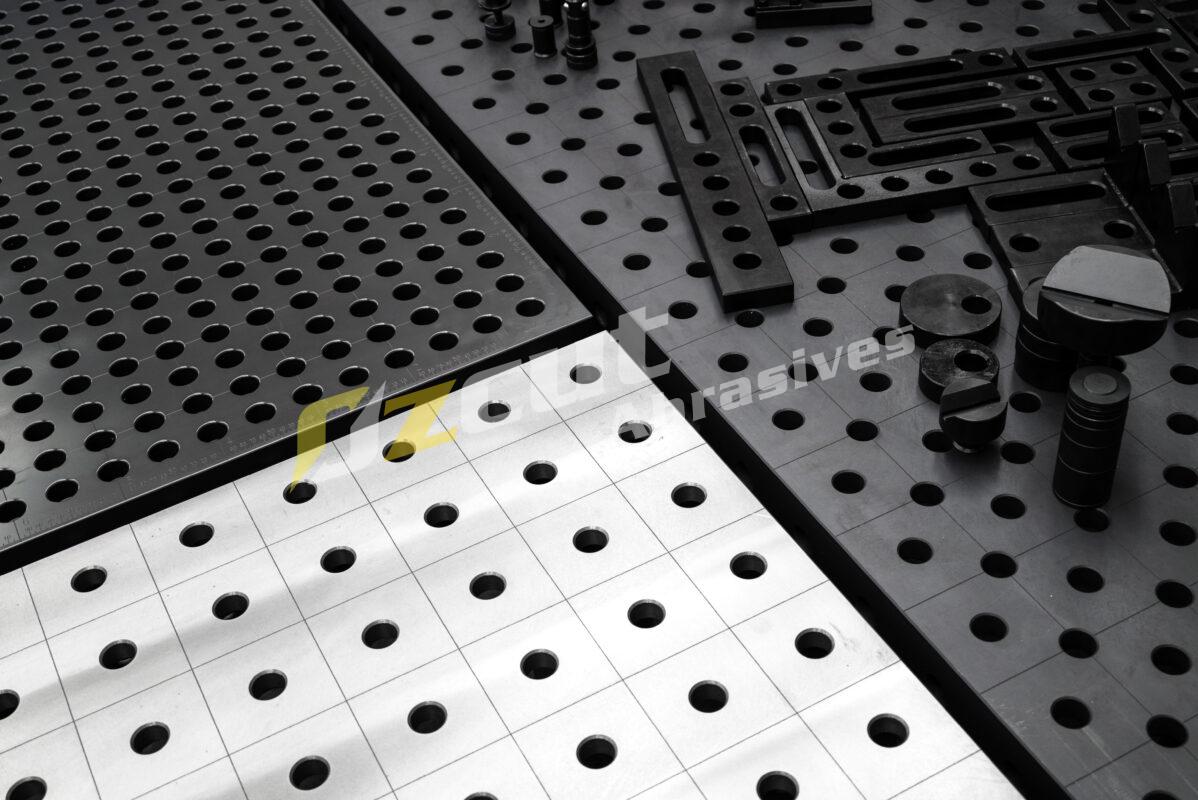

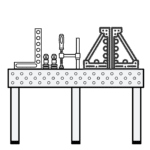
 Nitrided Steel
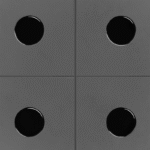 Standard Hole
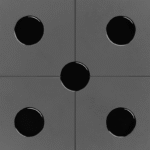 Diagonal Hole
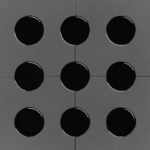 50x50mm
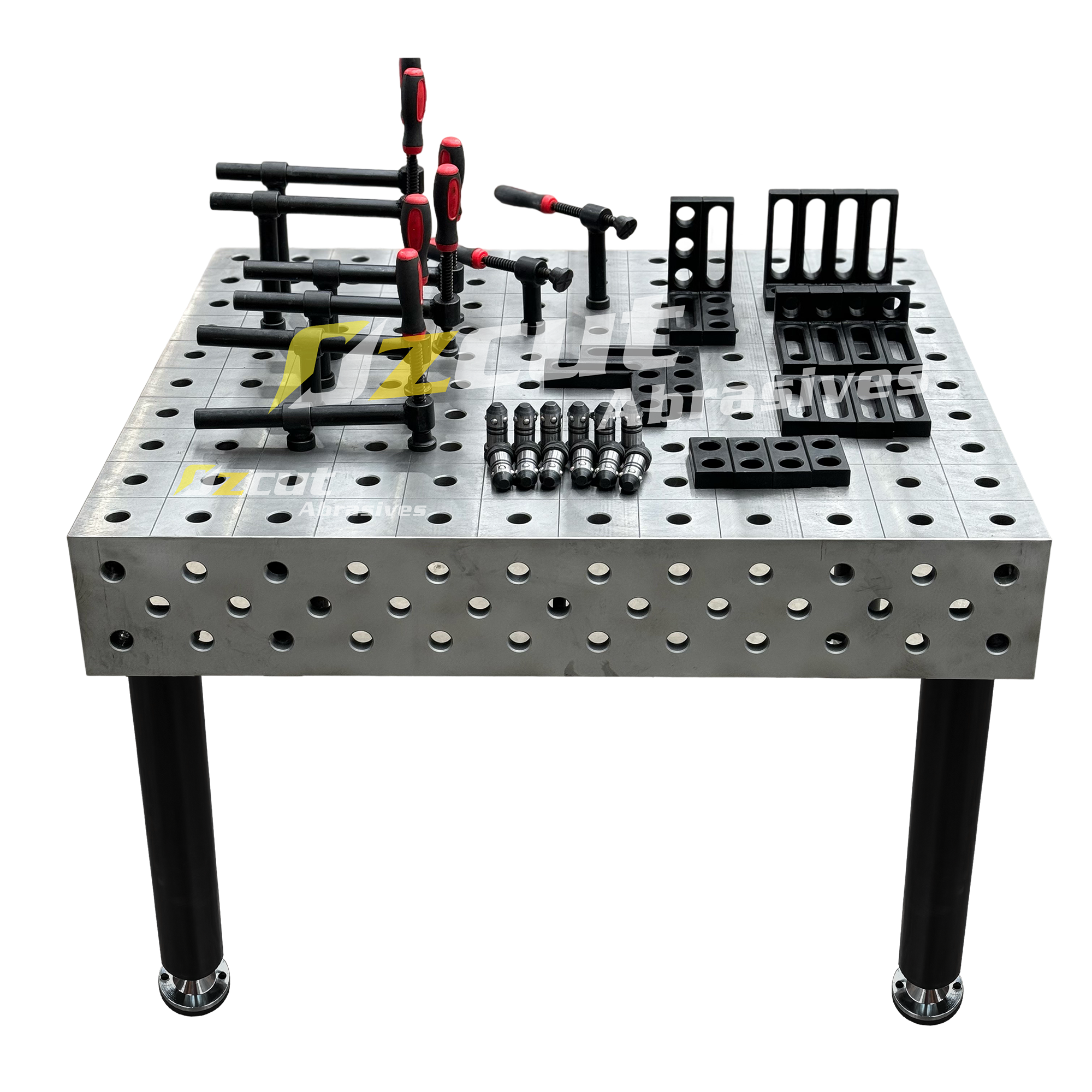
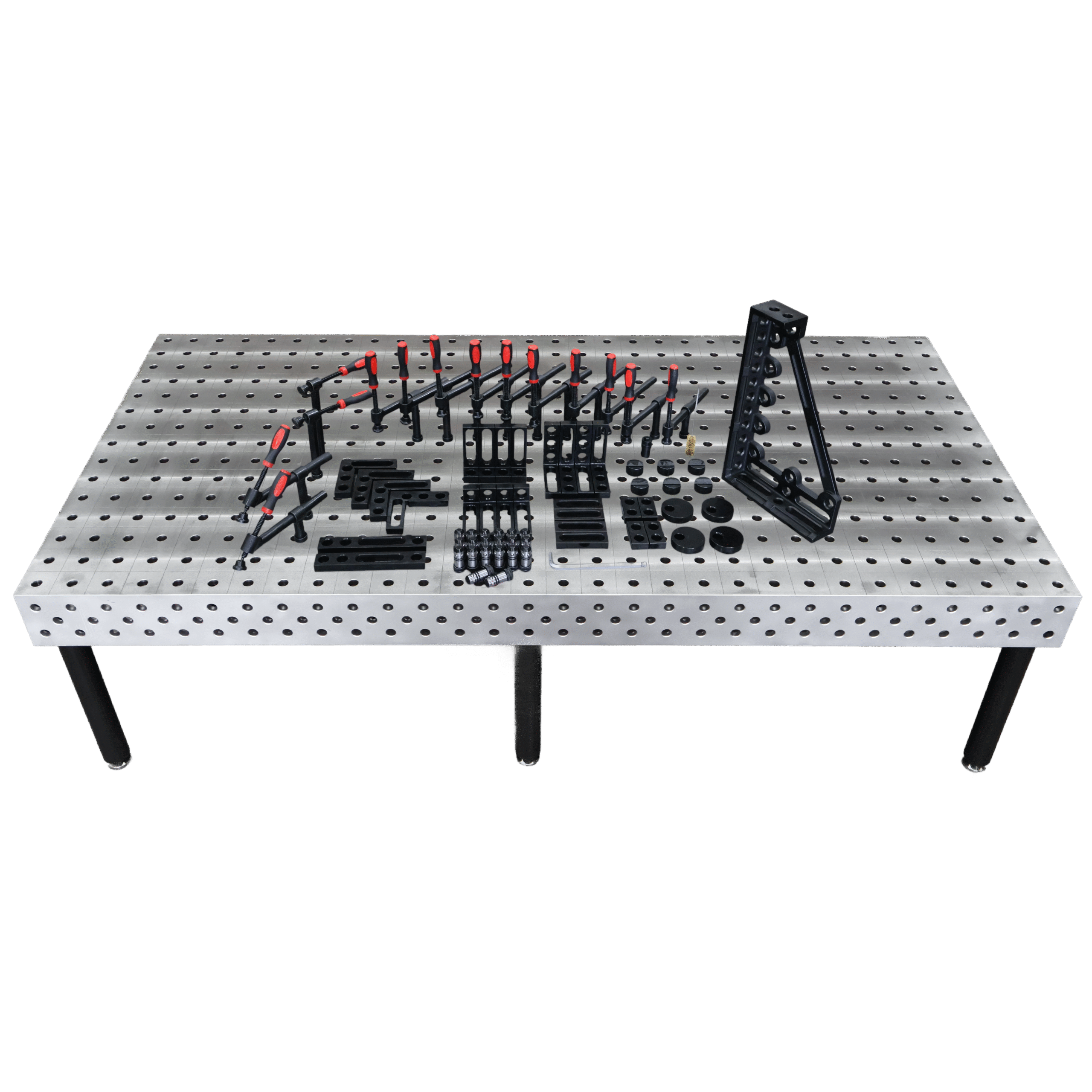

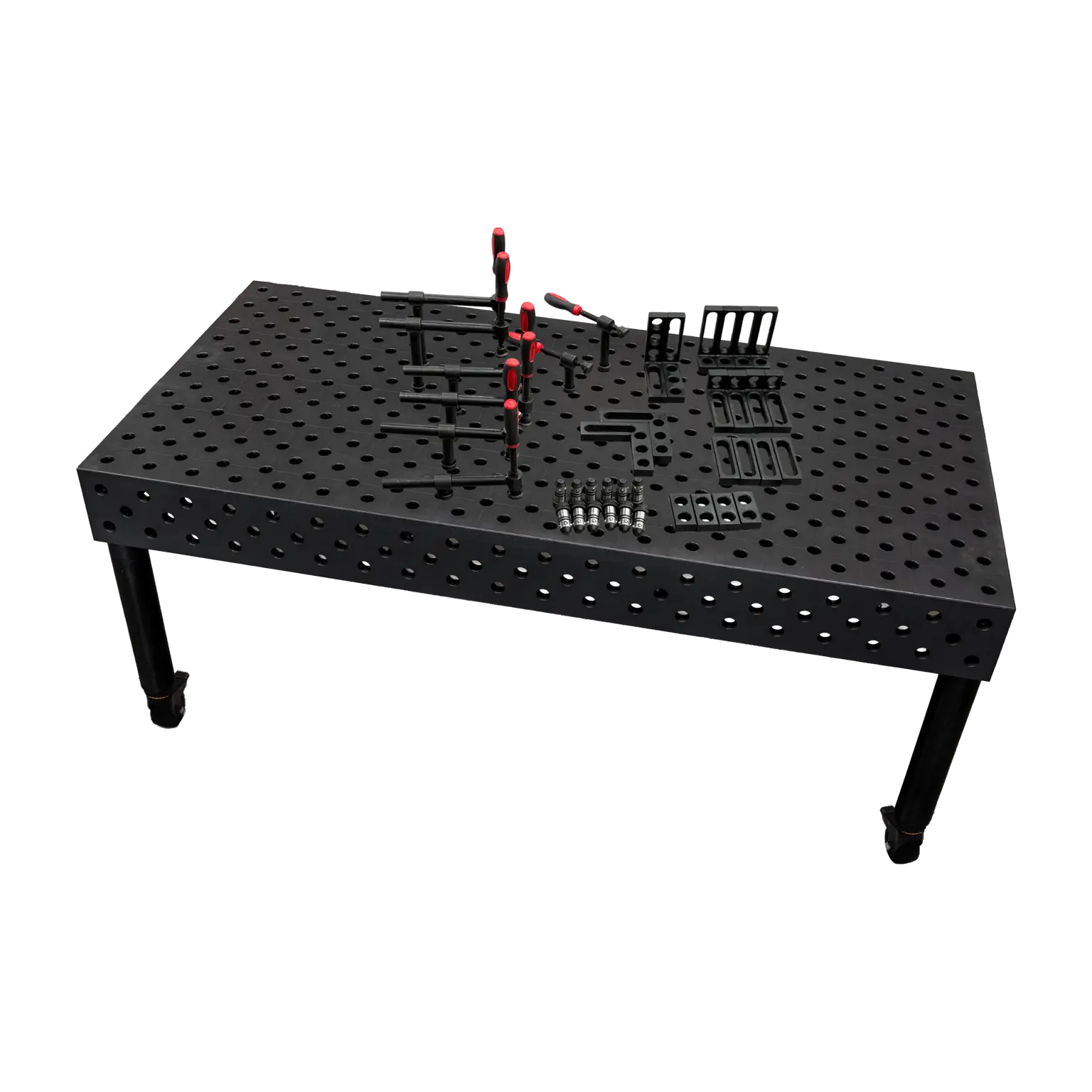







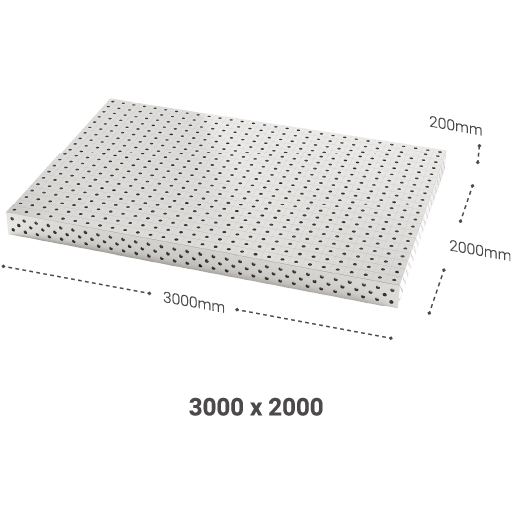

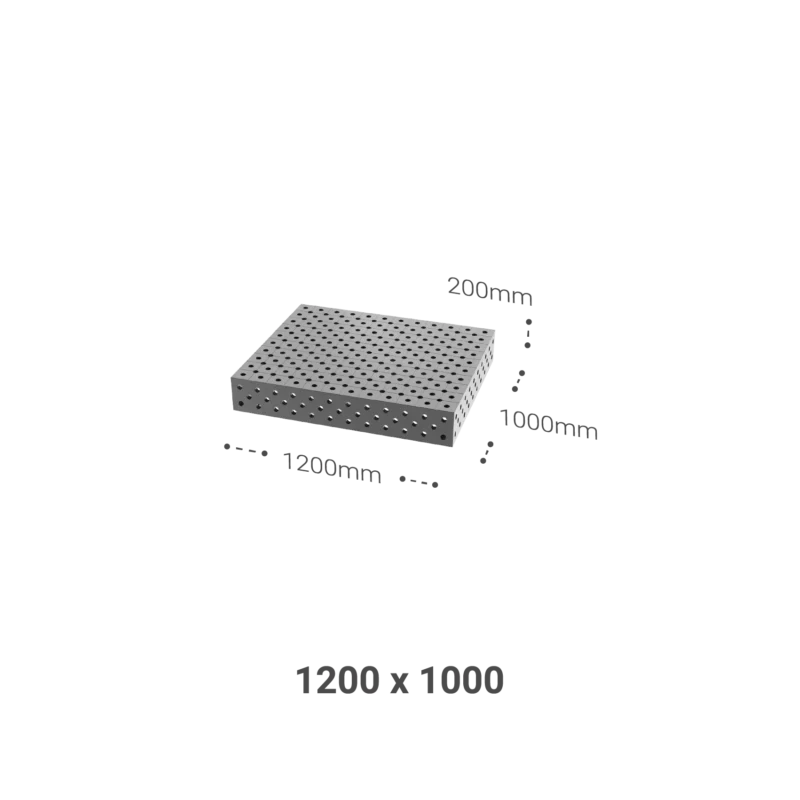
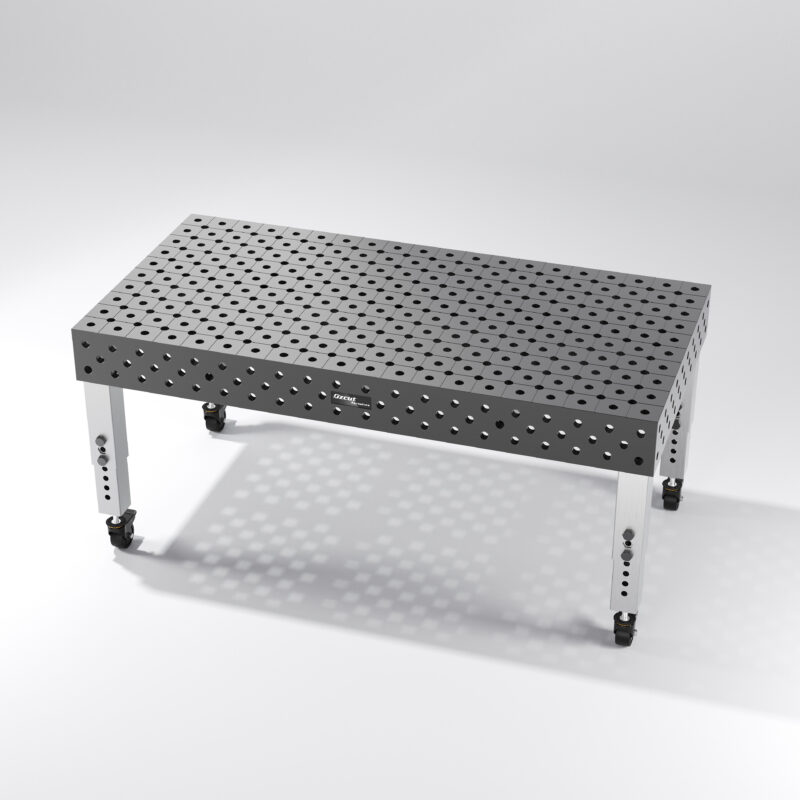
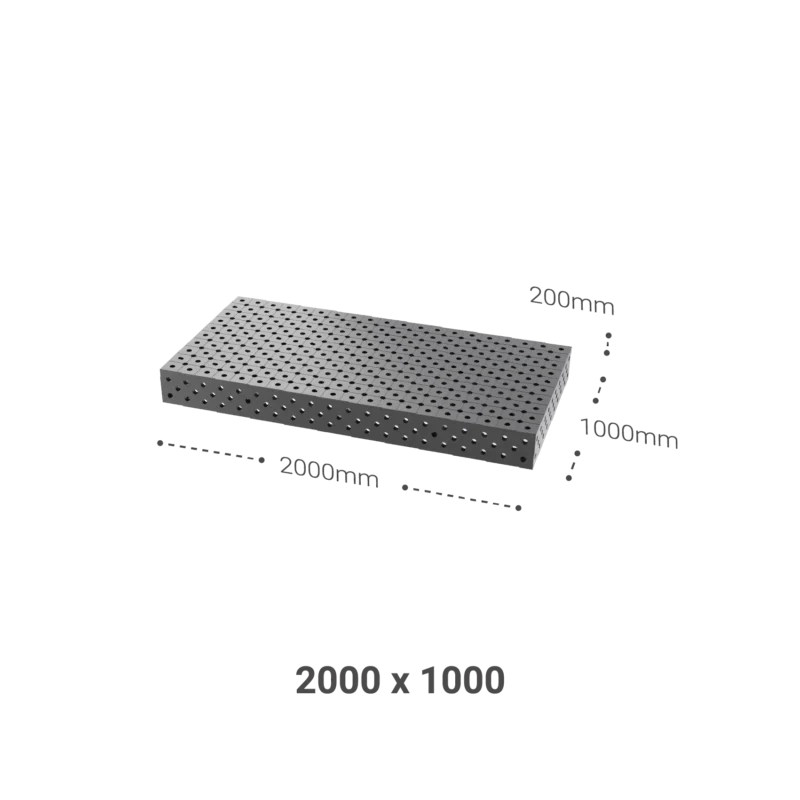

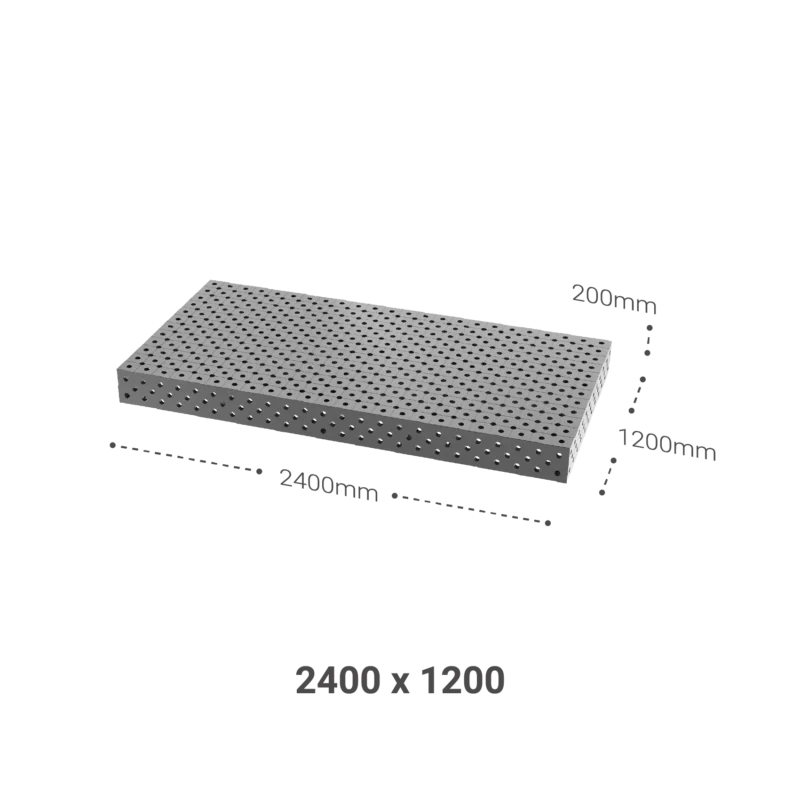


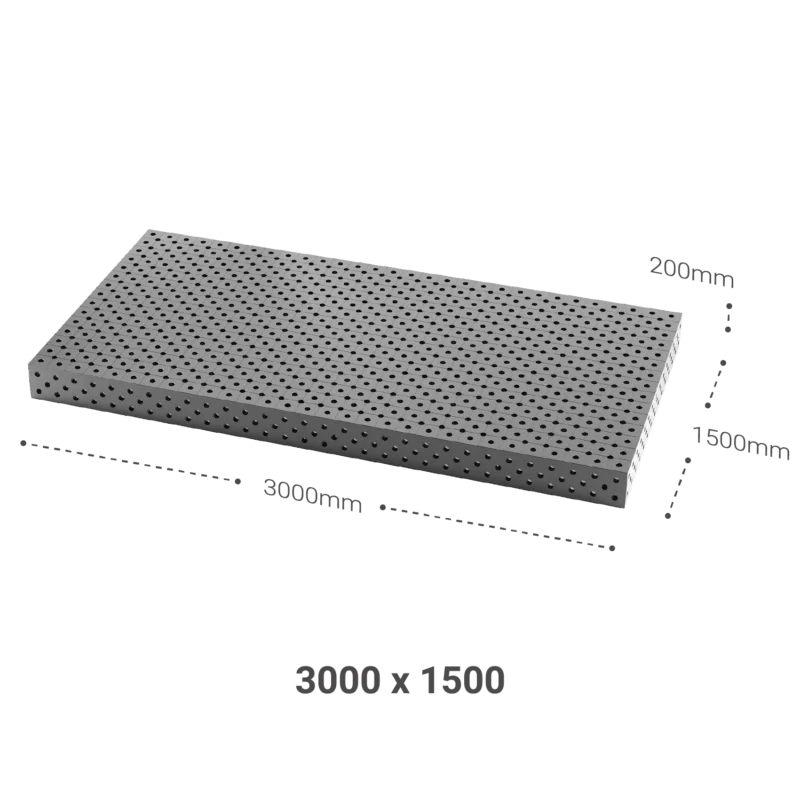

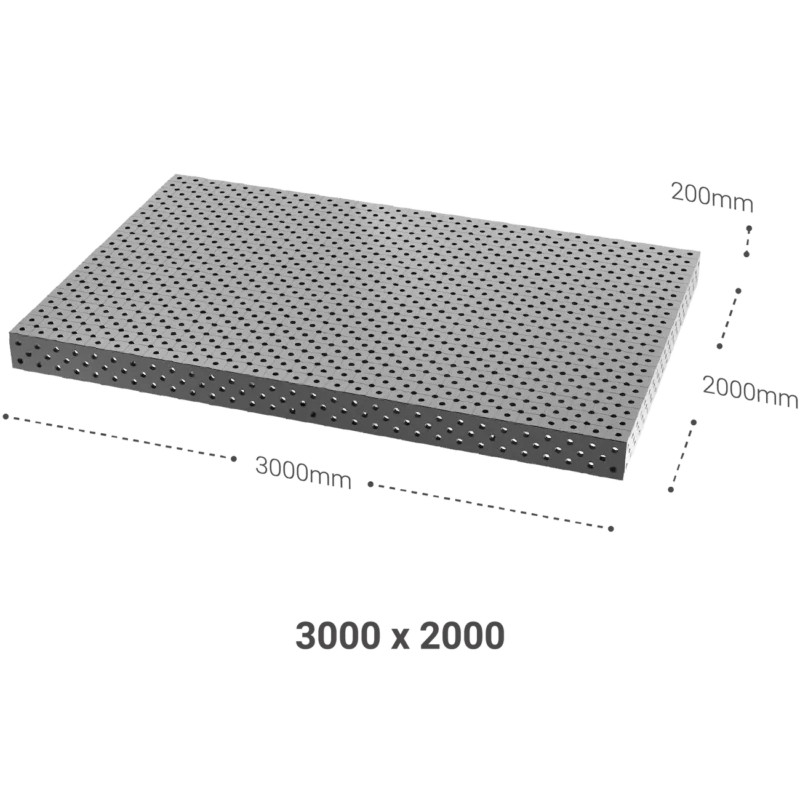
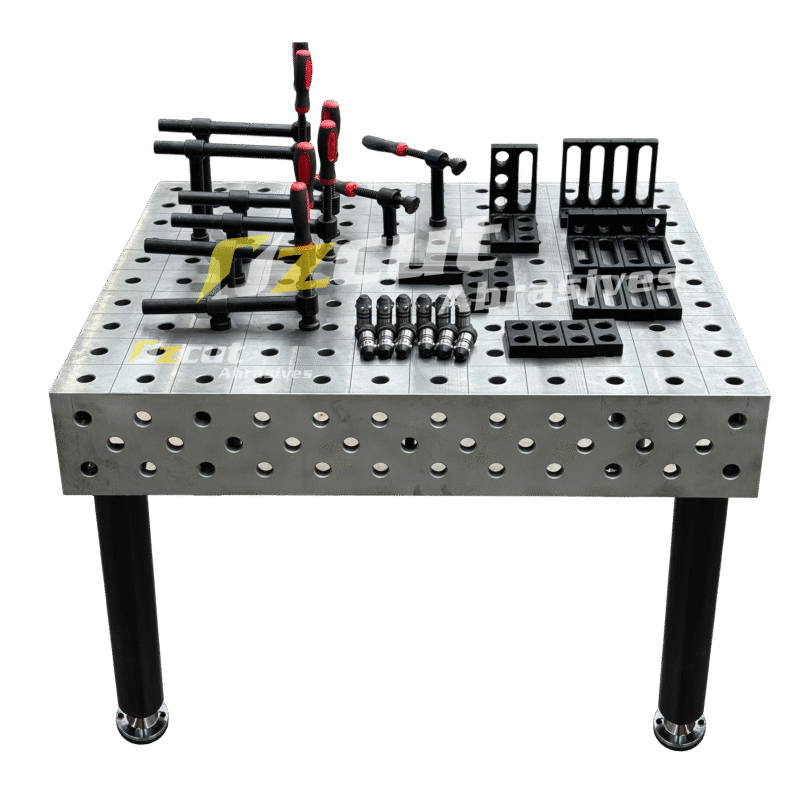
The Ultimate Guide to Welding Table Materials: Steel vs Cast Iron, Nitriding, and Lifetime Preservation

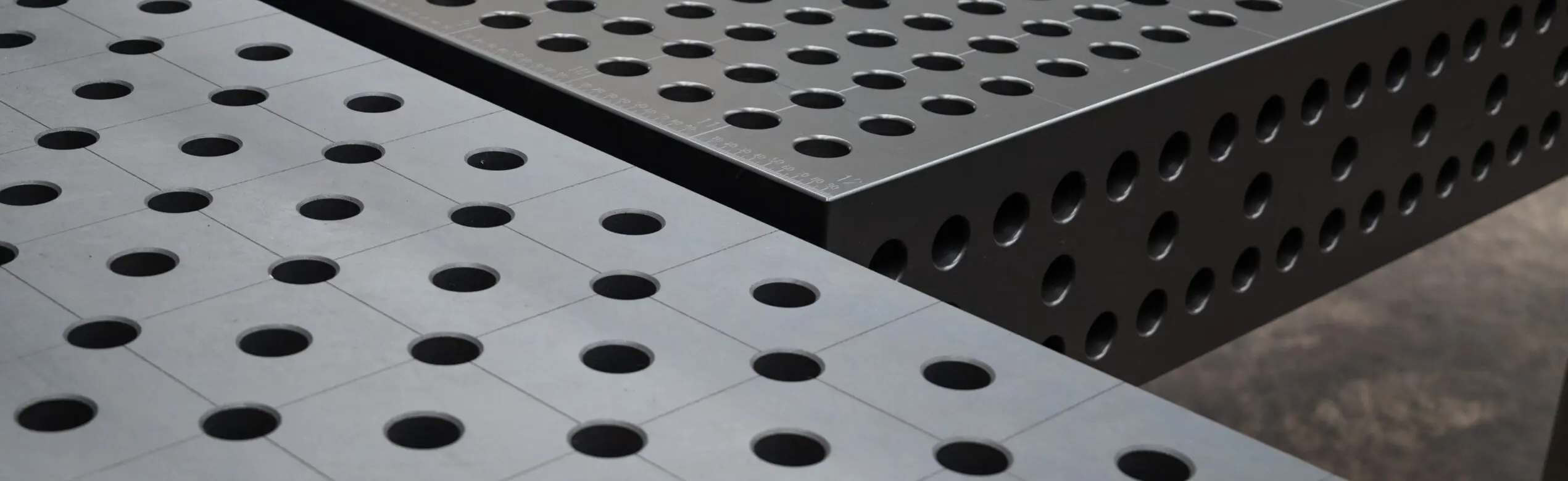
1. Introduction: The Metallurgy of Precision
- Hardness: Its ability to resist scratches, dents, and indentations from heavy clamps and workpieces.
- Corrosion Resistance: How well it fights off rust in humid shop environments or during seasonal temperature swings.
- Spatter Resistance: How much "muscle" it takes to clean the table after a long day of welding.
If you’re ready to stop fighting your equipment and start building on a surface that works with you, you can explore our full range of welding tables.
2. Base Materials: The Battle of Steel and Cast Iron
Steel (Q355)
Cast Iron
Material Hardness Comparison
|
Material |
Vickers Hardness (HV) |
|---|---|
|
Raw Cast Iron |
350-400 |
|
Nitrided Steel |
600-650 |
|
Nitrided Cast Iron |
700-750 |
3. The Natural Edge: Why Spatter Hates Cast Iron
Furthermore, cast iron’s high thermal conductivity ensures that heat is sucked away from the weld zone and distributed uniformly, preventing the localised "hot spots" that cause thinner, non-engineered tables to warp.
4. Surface Engineering: The Science of Nitriding
While raw materials are a great start, professional fabrication often demands more. That’s where Nitriding comes in.
It is a common mistake to think of nitriding as a "coating" like paint or chrome. It isn't. Nitriding is a chemical-thermal diffusion process. We place the table in a controlled environment where nitrogen atoms actually soak into the surface layer of the metal, changing its molecular structure.
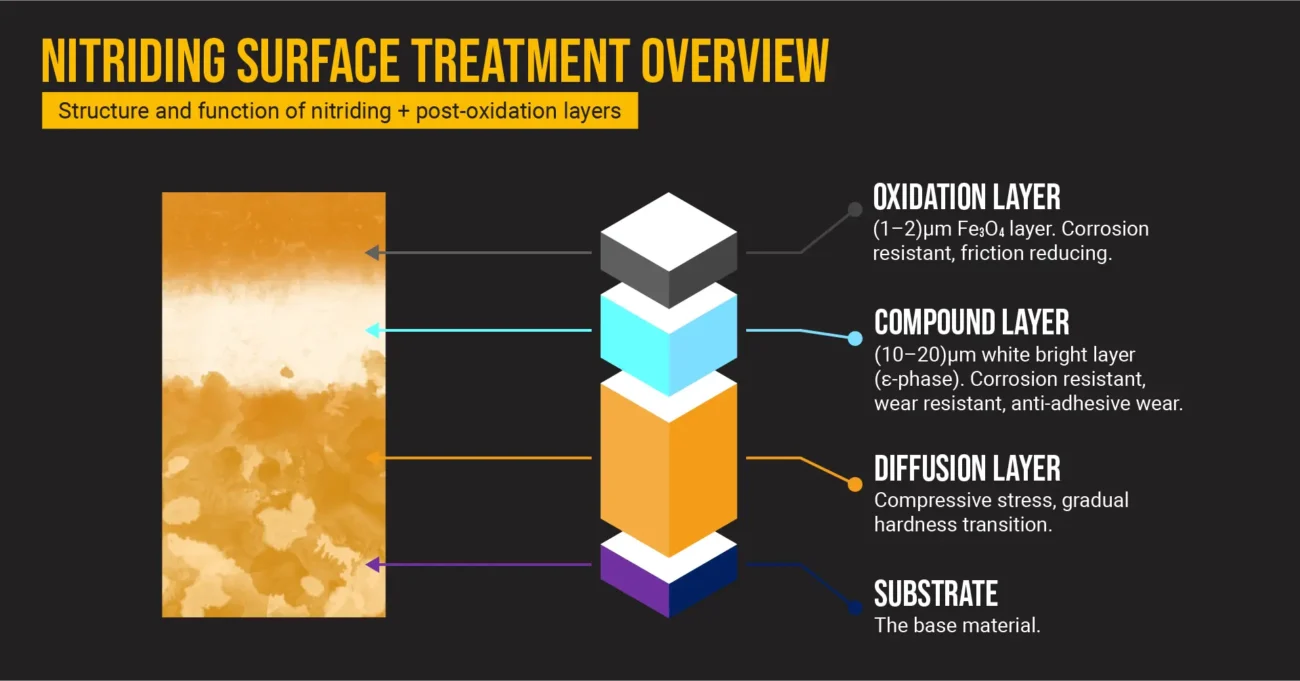
Nitriding Surface Treatment Overview
Structure and function of nitriding + post-oxidation layers
- Oxidation Layer (1–2)μm Fe₃O₄ layer): This is the outermost shield. It is highly corrosion resistant and significantly reduces surface friction.
- Compound Layer (10–20μm “white layer” / ε-phase): This functional layer provides the heavy-duty wear resistance and anti-adhesive properties that stop spatter from sticking.
- Diffusion Layer: This zone creates compressive stress and a gradual hardness transition, ensuring the hardened surface doesn't "peel" under heavy loads.
- Substrate: The core base material (Q355 Steel or Cast Iron) that maintains the table's overall structural integrity.
How Nitriding Transforms Your Table
- Increased Hardness: It effectively doubles the surface hardness. Our Nitrided Cast Iron hits a massive 700-750 HV, making it virtually immune to the typical scratches and dings of a busy shop.
- The "Compound Zone": This process creates what we call a "Compound Zone" on the very top layer. This zone acts as a barrier against moisture, providing the deep "Black Anti-Rust" (BAR) protection that keeps your table clean in any climate.
- Ultimate Spatter Efficiency: When you combine the natural properties of the metal with nitriding, spatter removal becomes a "light sweep" rather than a "chisel session."
5. The Great Debate: Gas vs. Plasma Nitriding
You’ll see a lot of marketing talk about "Plasma Nitriding" being the most modern method. While plasma is great for certain small parts, Gas Nitriding offers distinct advantages for modular welding tables like ours.
- 100% Uniformity in Holes
- Gas nitriding is a "batch" process where the table is submerged in an ammonia-rich atmosphere. Because it’s a gas, it reaches every single corner of your System 28 holes and bores.
- Plasma nitriding is "line-of-sight," meaning it can sometimes miss the inside of those critical holes, leaving them vulnerable to rust.
- Edge Protection
- Plasma can sometimes "overheat" or "burn" the sharp corners of a table.
- Gas nitriding provides a consistent case depth even across complex geometries and the precision-machined edges of your table.
6. Comparing the Ozcut Welding Table Tiers
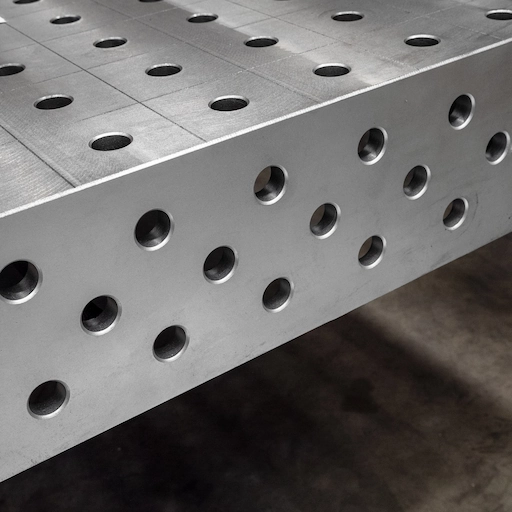
Raw Cast Iron
The classic entry-level professional choice. It offers great stability and that natural graphite spatter resistance. It’s perfect for shops on a budget that are disciplined enough to keep the surface oiled.
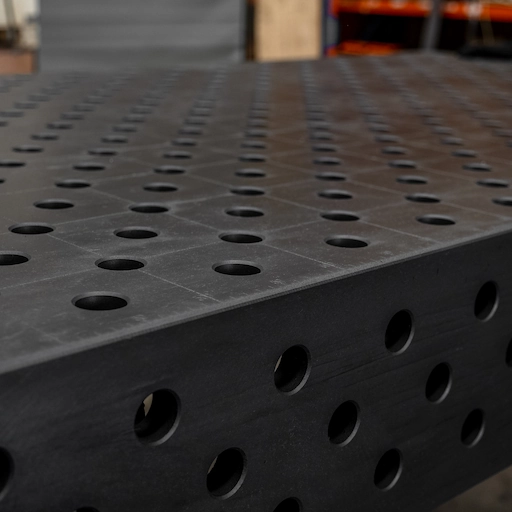
Nitrided Cast Iron
Our "Best Bang for Your Buck" option. It combines the natural stability of iron with the extreme hardness of nitriding. This is the ultimate surface for long-term spatter defense.
Nitrided Steel
The "Production Powerhouse." This tier offers the best impact resistance for heavy-duty structural work, combined with extreme surface hardness. For the shop owner who wants the best of the best, this is the one.
Not sure which one fits your shop? Use our Welding Table Comparison Tool to see which material suits your specific projects.
7. Lifetime Maintenance: Preserving the Investment
Routine Maintenance Protocols
For All Tables:
- Use anti-spatter spray to keep the surface clean and protect your tooling.
- Keep clamp holes and slots free of grit and slag build-up.
- Store your clamps and fixtures in a dry place when not in use to prevent cross-contamination or rust.
Specific Care for Raw Cast Iron:
- Wipe the surface clean after every single use.
- Apply a light coat of machine oil (like WD-40) to protect it from the Australian atmospheric moisture.
- If the table develops light corrosion, a Scotch-Brite pad can easily remove it before you re-oil.
Specific Care for Nitrided Surfaces:
- Wipe clean after use with a dry or slightly oiled cloth to keep that BAR coating intact.
- Avoid abrasive cleaning. The nitrided surface is designed to do the heavy lifting for you.
The "Stone" Method
If you ever find a high spot or a small burr, use an oil stone to gently smooth it out. This allows you to restore the surface without damaging the overall flatness of the table.
NEVER use a grinder on your table surface. A grinder generates enough heat and abrasion to ruin the precision-machined flatness and strip away your nitrided protection in seconds.
8. Conclusion: The ROI of Better Metallurgy
Whether you are looking for a precision welding table package to get started or you're ready to design a custom setup, remember that the metal you work on is just as important as the metal you’re welding.