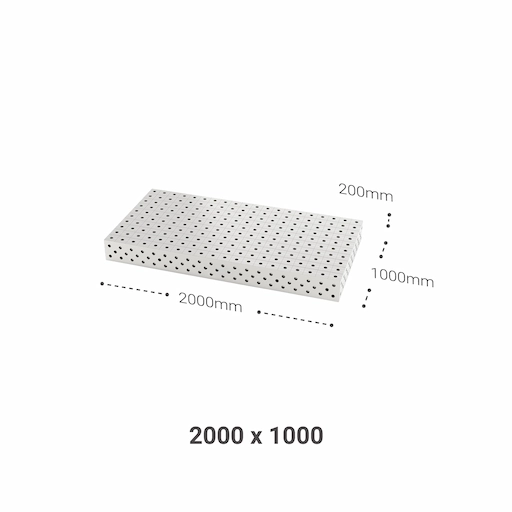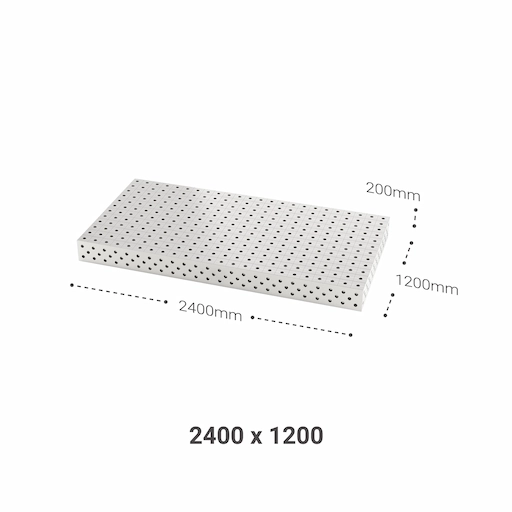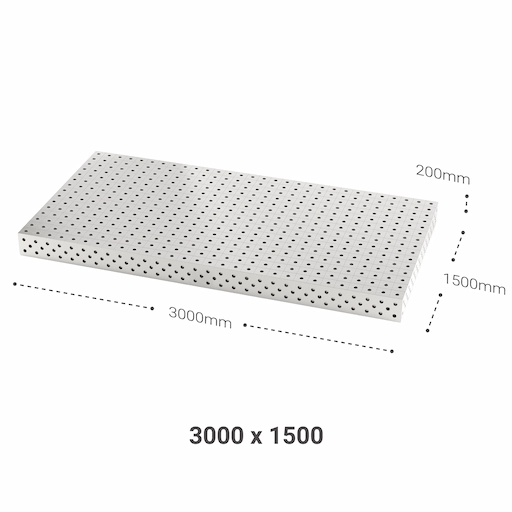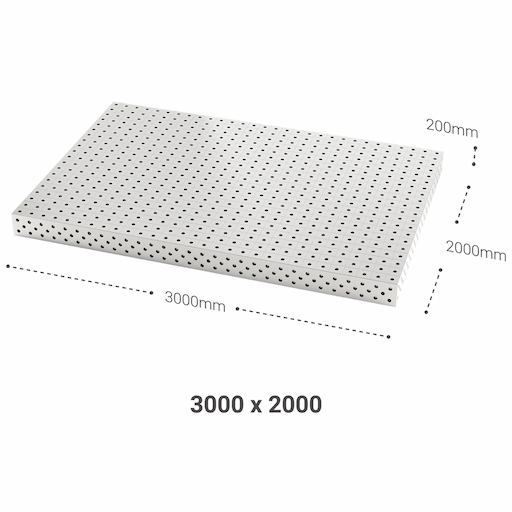

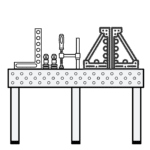
Product Comparison

How to Choose the Right Welding Table for Your Workshop

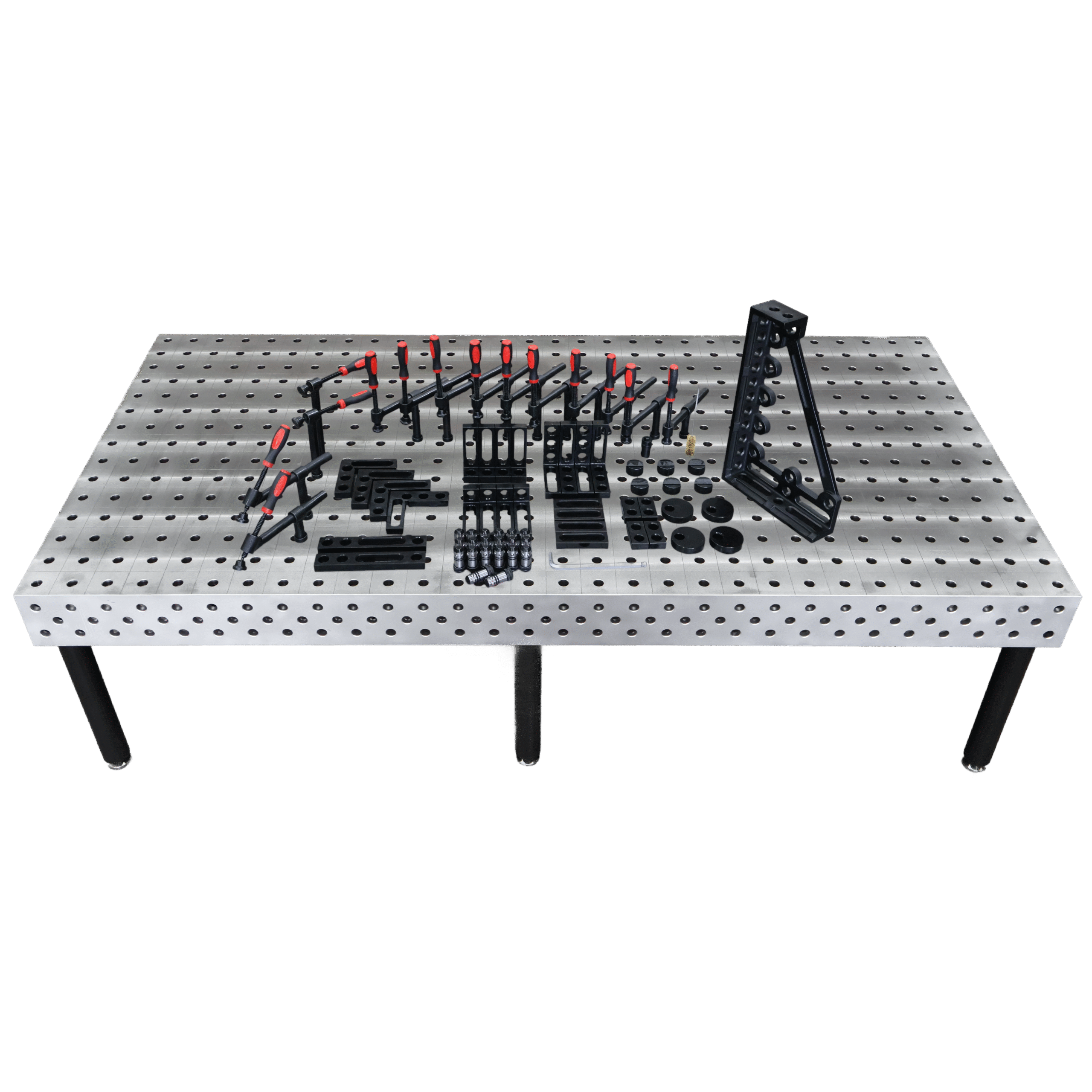
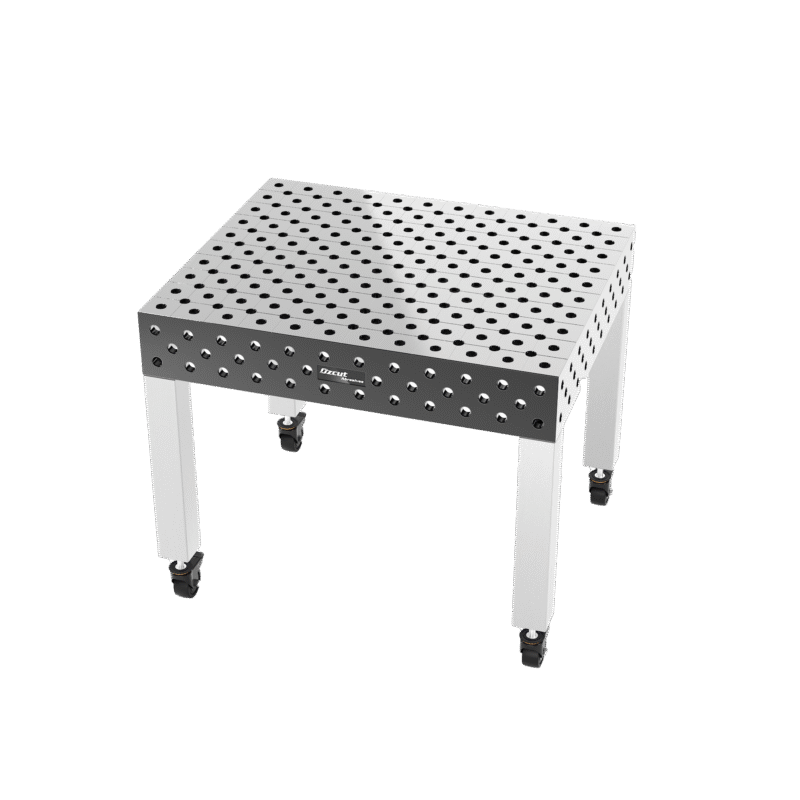
A welding table isn’t just a flat surface to work on. It becomes the centre of your workflow where precision starts, fixtures lock in, and projects take shape. The right table makes every job faster and more accurate, while the wrong one quietly slows everything down.

Whether you’re setting up your first proper fabrication space or upgrading from an improvised bench, this guide will walk you through the key decisions that affect real-world performance.

Why a Welding Table Matters More Than You Think

Accuracy begins at the surface. A flat, rigid welding table reduces distortion, simplifies alignment, and keeps setups consistent. That means fewer reworks, better fit-ups, and faster results.

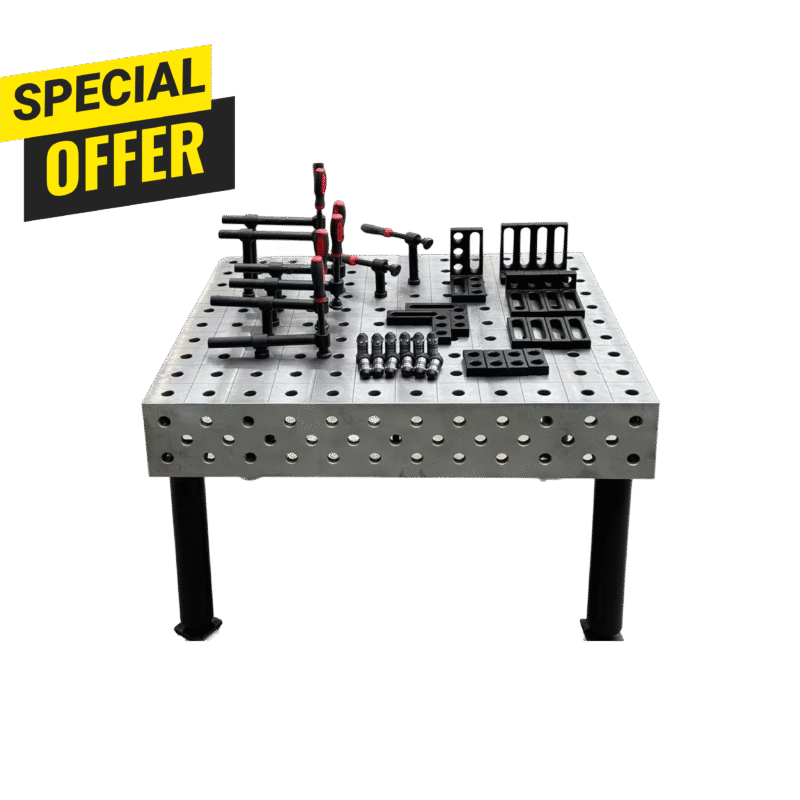
Modern welding tables do far more than just hold your work. A proper fixturing table can:
  • Speed up workholding and setups
  • Improve squareness and repeatability
  • Reduce fatigue from bending over makeshift benches
  • Cut wasted time spent clamping and realigning
  • Support heavier work safely

For shops that weld regularly, upgrading to a precision table is often one of the most cost-effective improvements you can make.

Choosing the Right Welding Table Size

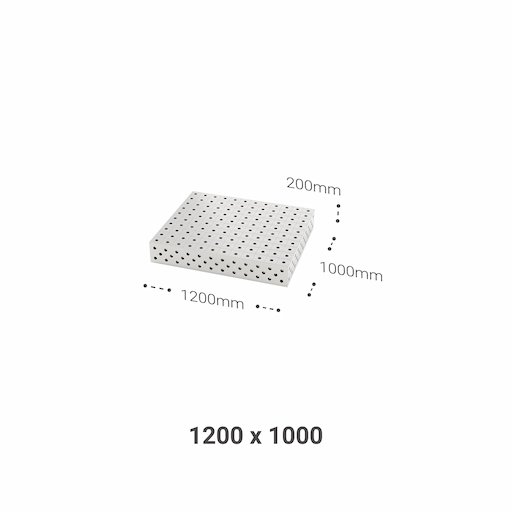
Size influences both workflow speed and shop efficiency. Bigger isn’t always better, especially if you have to walk around the table constantly.
When choosing your welding table size, think about:
  • How much floor space can you realistically dedicate
  • Whether all sides of the table will be accessible
  • The size of the workpieces you handle often
  • Whether you expect to take on larger jobs in the future
  • Your natural reach when positioning clamps and tools
A table should be large enough to support jobs safely, but no too large that it slows your movement and workflow.

Best Materials for Welding Tables

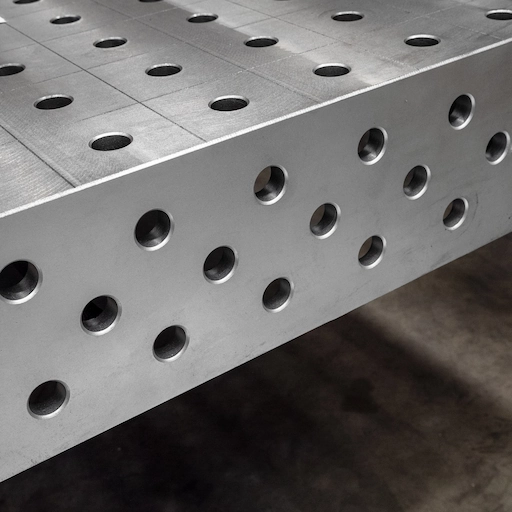
The material of your welding table affects durability, maintenance, and how the surface performs under heat and load.

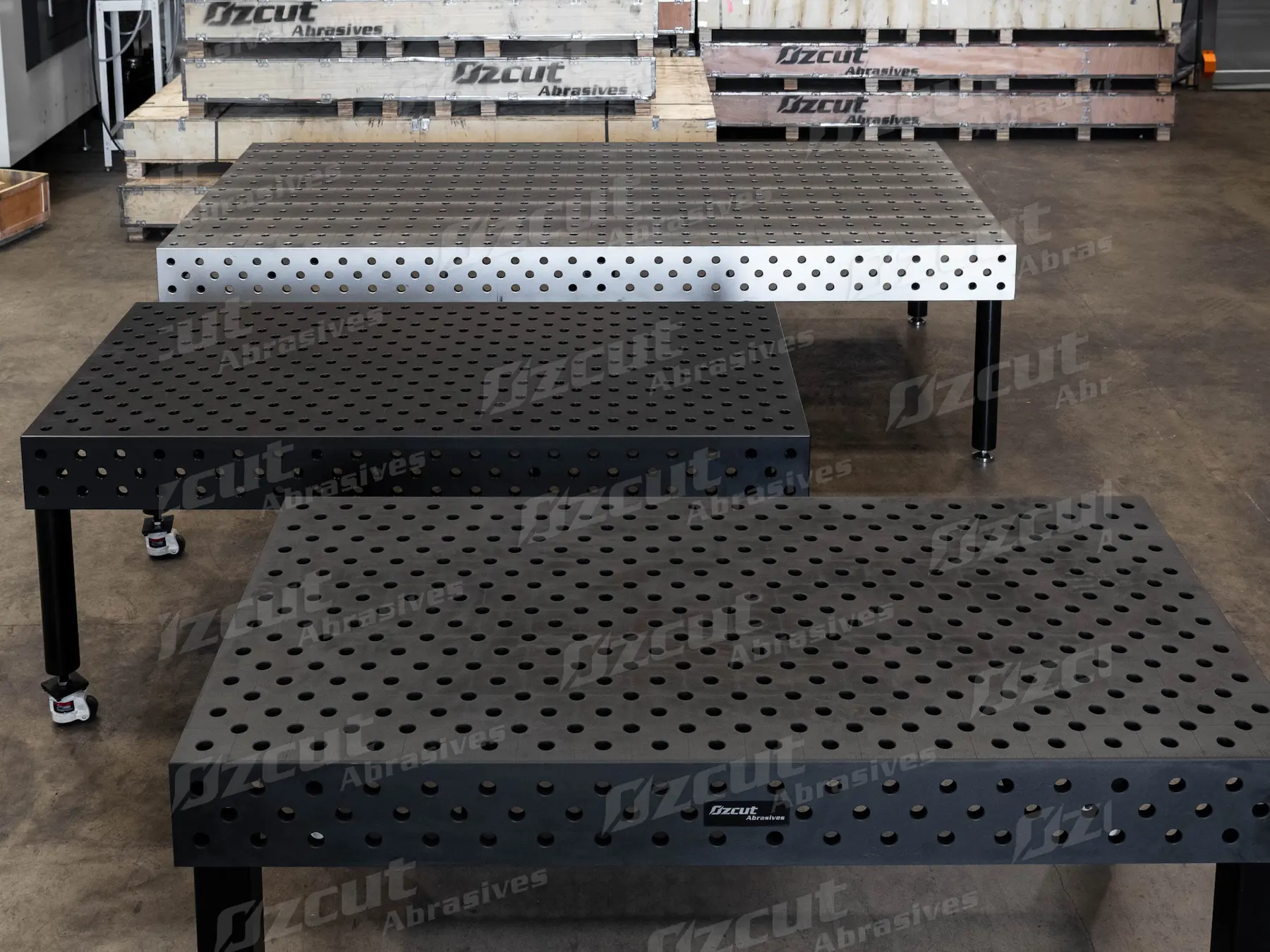
Cast Iron

Cast iron tables are popular for their natural flatness and vibration-damping. Welding spatter is less likely to stick compared to plain steel, making cleanup easier.
They’re a solid choice for general fabrication work.

Nitrided Cast Iron

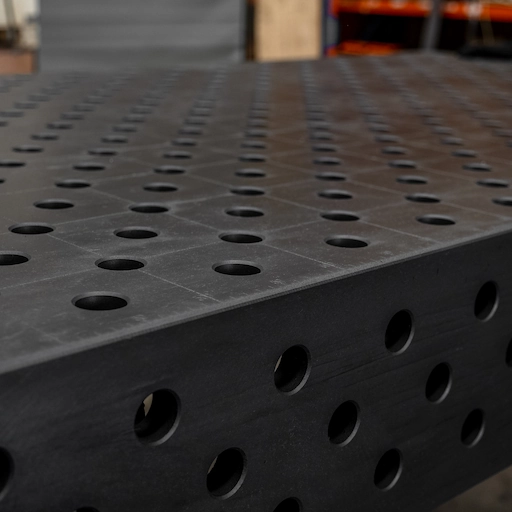
Nitriding hardens the surface of the cast iron, improving wear resistance and corrosion protection.
You get the same spatter resistance as standard cast iron, with a longer-lasting surface.

Nitrided Steel

High-tensile steel that’s been nitrided offers excellent surface hardness and durability. It’s well-suited for heavy-duty fabrication where strength under load is critical.
The right choice depends on your workload, environment, and how hard you plan to push the table.

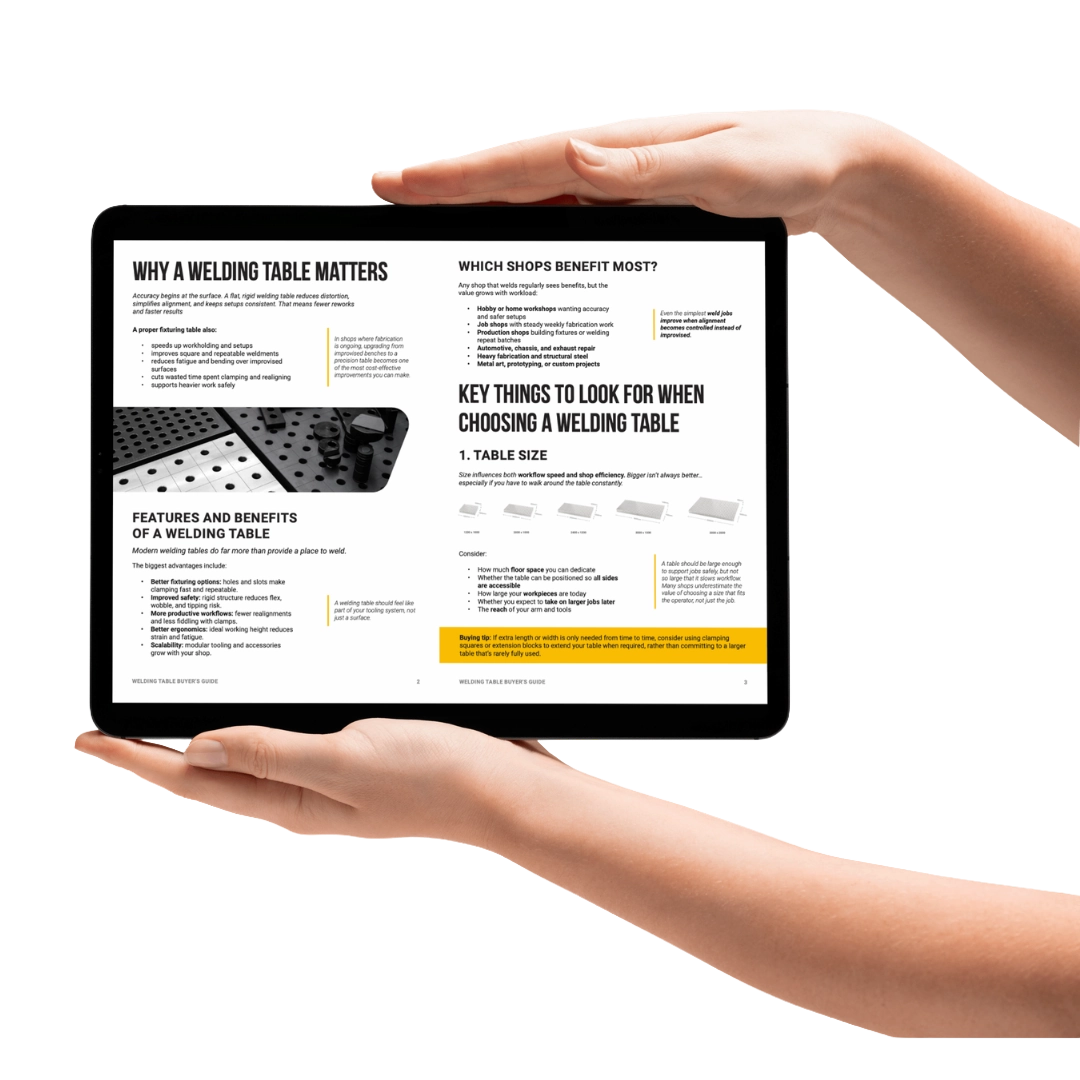
Prefer a Printable Version?

Reading on the go or want something you can keep on hand in the workshop?
We’ve put this entire guide into a free, easy-to-read PDF you can download and save for later.
It covers welding table sizes, materials, hole patterns, setup tips, and tooling – all in one place.

Perfect for sharing with your team or reviewing before you invest in your next table

Understanding Welding Table Hole Patterns

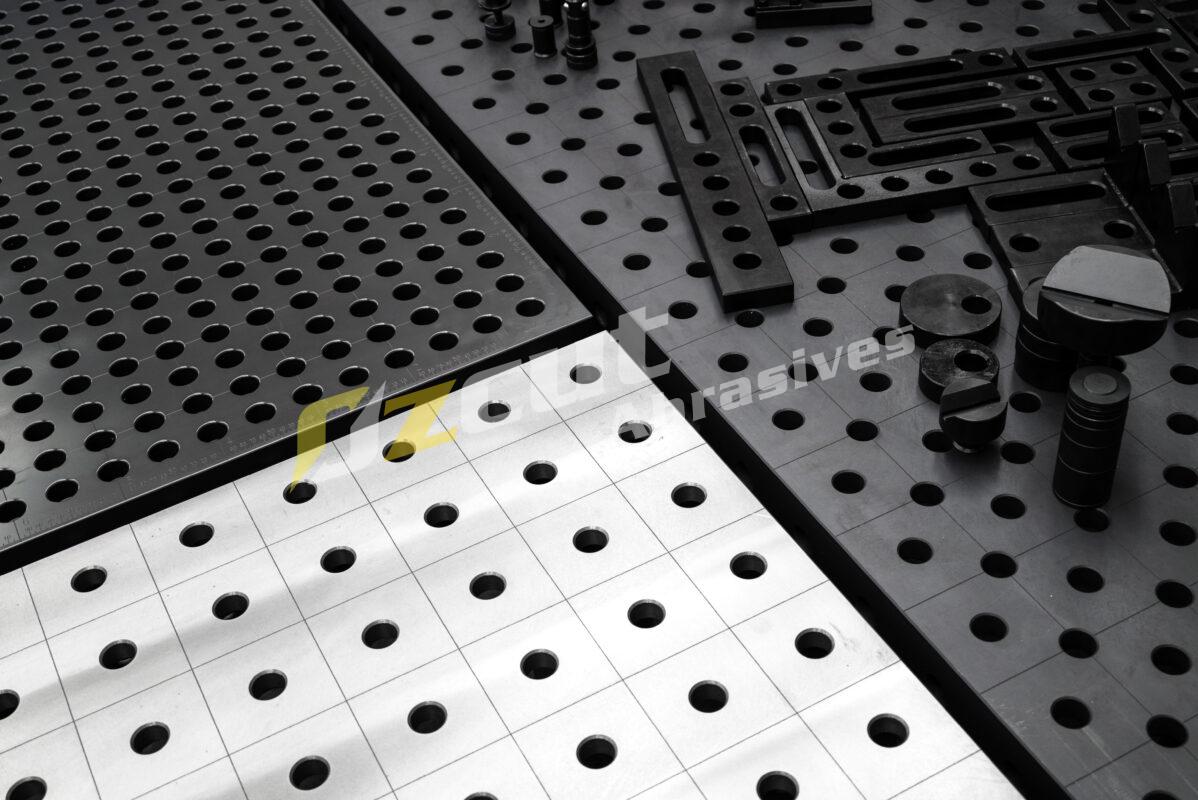
Hole patterns determine how flexible and efficient your setups can be. More positioning options mean faster, more repeatable clamping.
Common considerations include:
  • The size and shape of parts you typically weld
  • Whether you work with square, round, or irregular shapes
  • How often do you need angled or offset setups
  • How much clamping flexibility you want across the surface
A simple rule of thumb:
  • Wider spacing suits larger parts and general fabrication
  • Denser spacing gives more clamping options for smaller or detailed work
  • Diagonal layouts help when working with angled setups

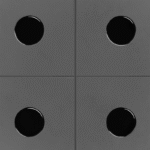
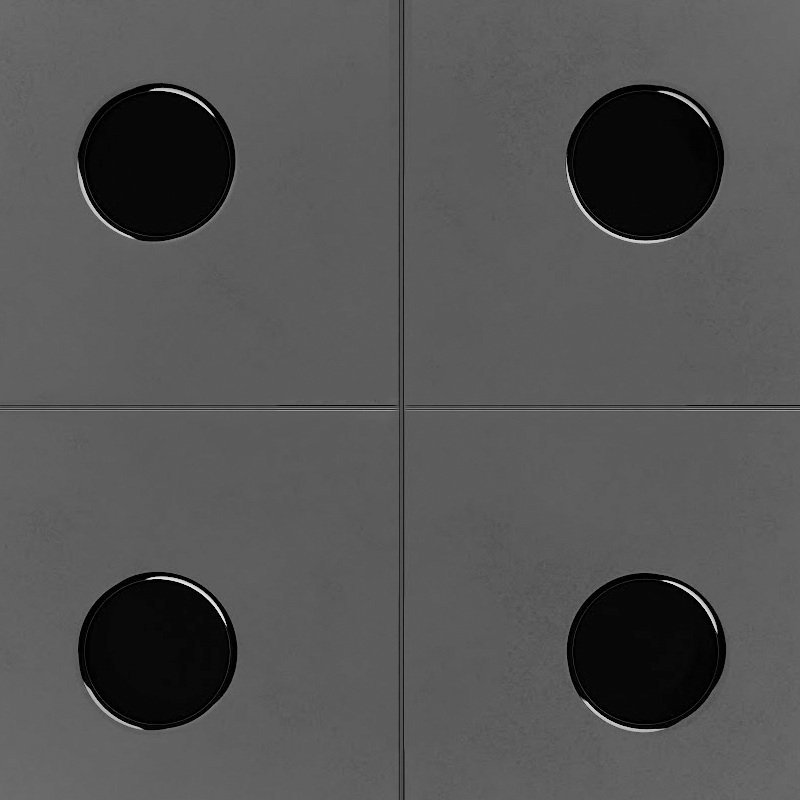
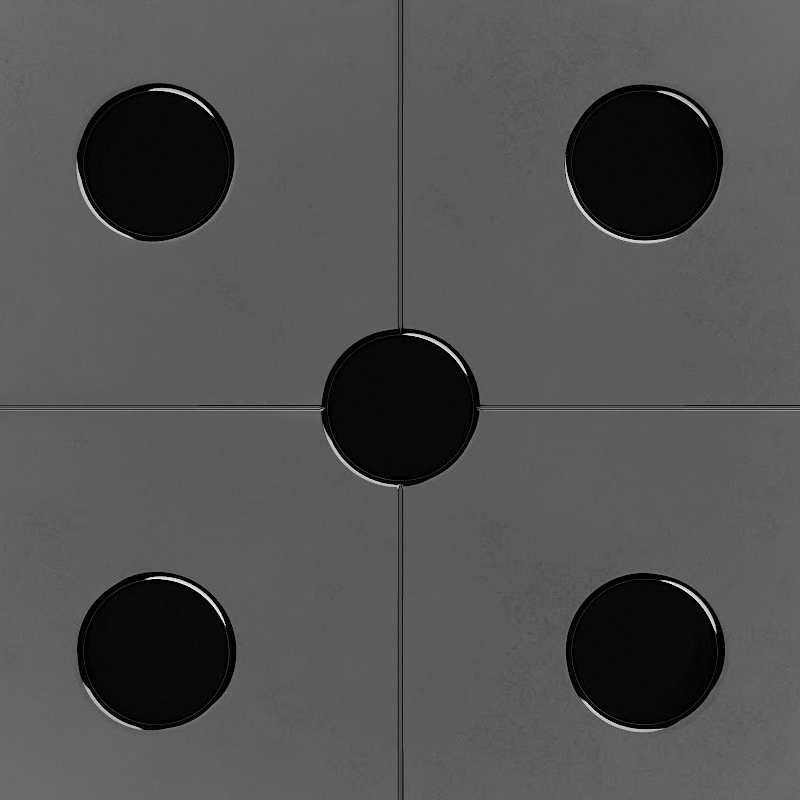
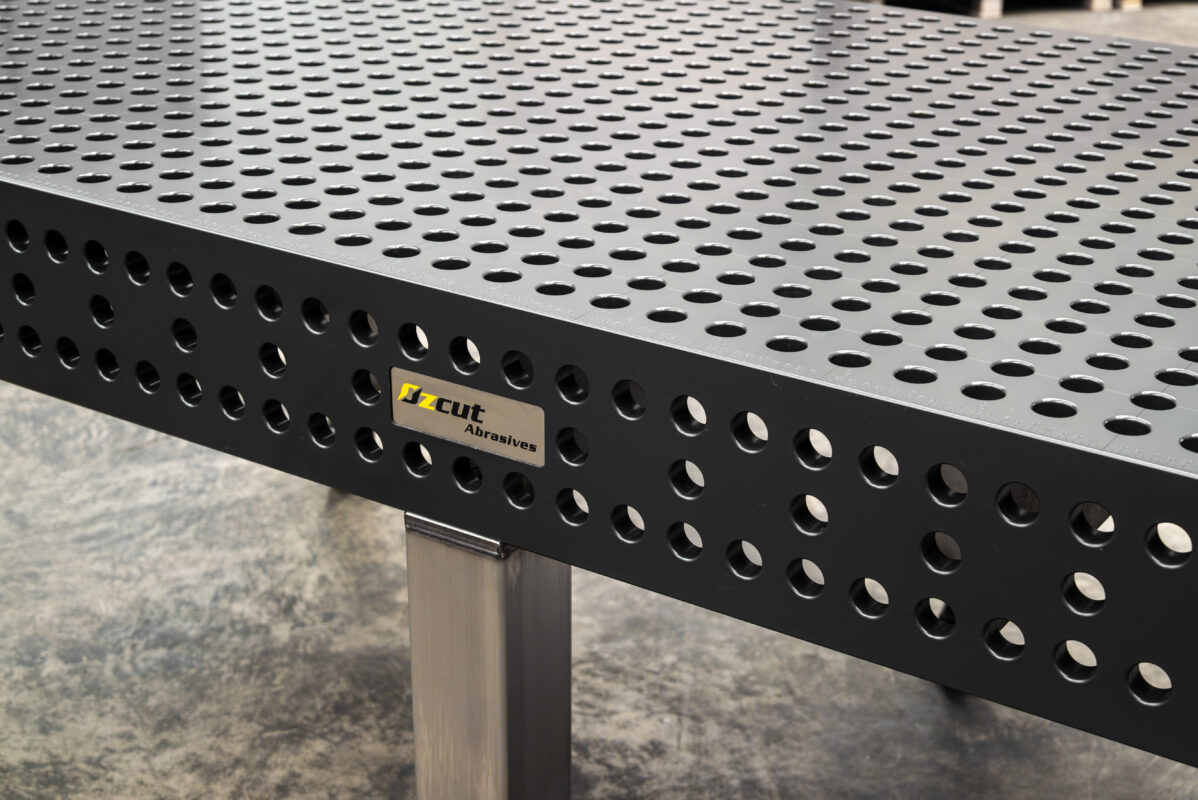
Standard Hole Pattern

A classic square spacing that supports most fabrication layouts. Easy to visualise and ideal for general welding work.

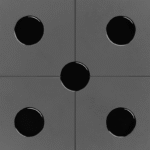
Diagonal Hole Pattern

Adds angled locating options between holes, offering more clamping positions and flexibility without crowding the surface. Useful for more complex assemblies.

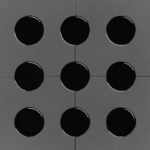
50x50mm Hole Pattern

A tighter pattern that gives maximum clamping versatility, especially for smaller parts or detailed weldments. Great for production work where setups repeat frequently.

The right hole pattern isn’t about how often you repeat a job… it’s about how easily you can position and secure the shapes you work with most.

Choosing the Right Legs and Mobility

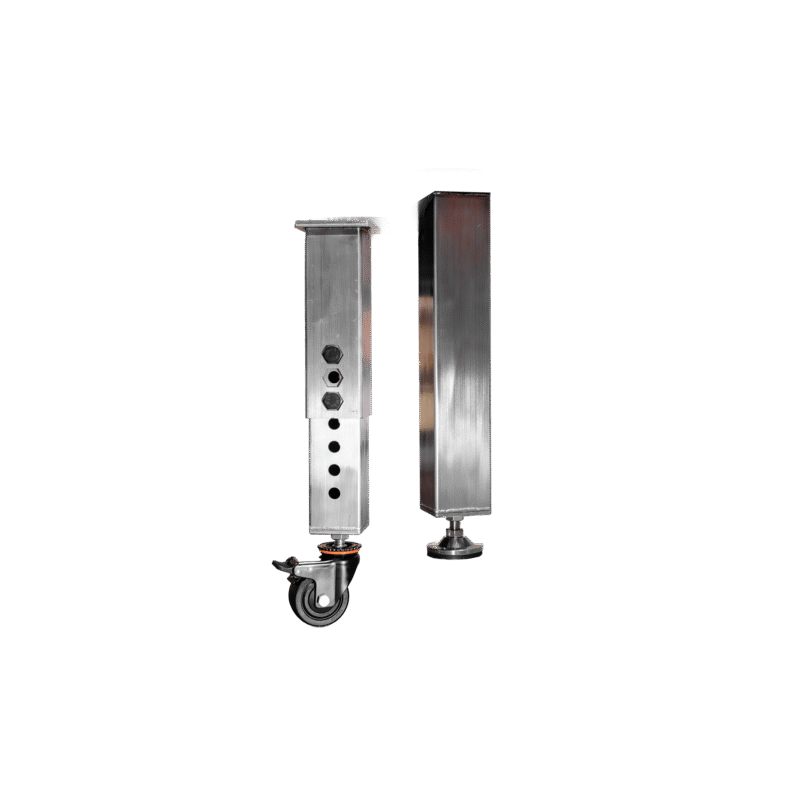
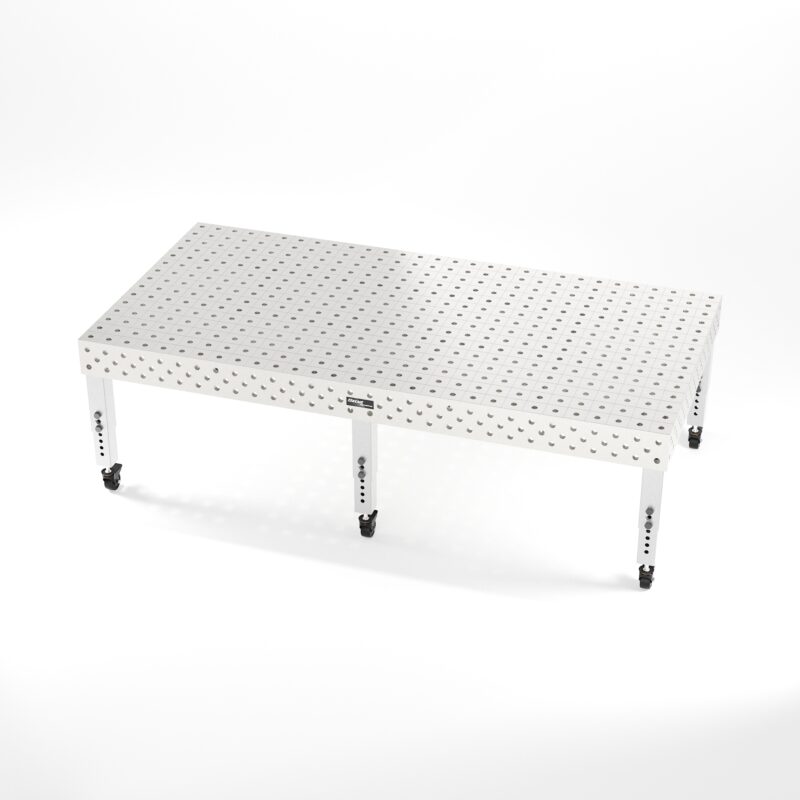
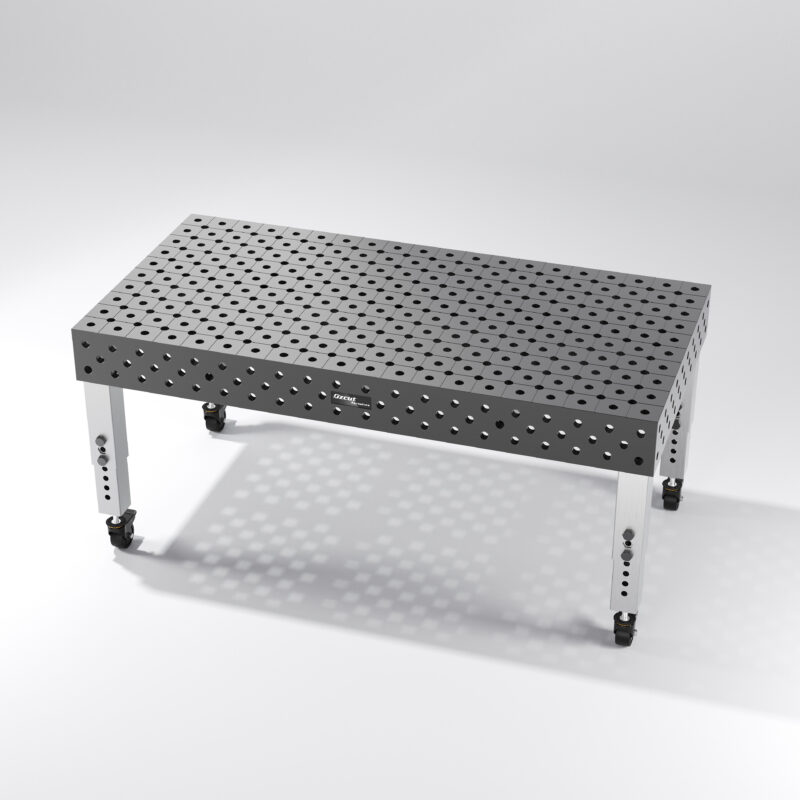
Welding Table Leg design affects rigidity, mobility, and ergonomics.

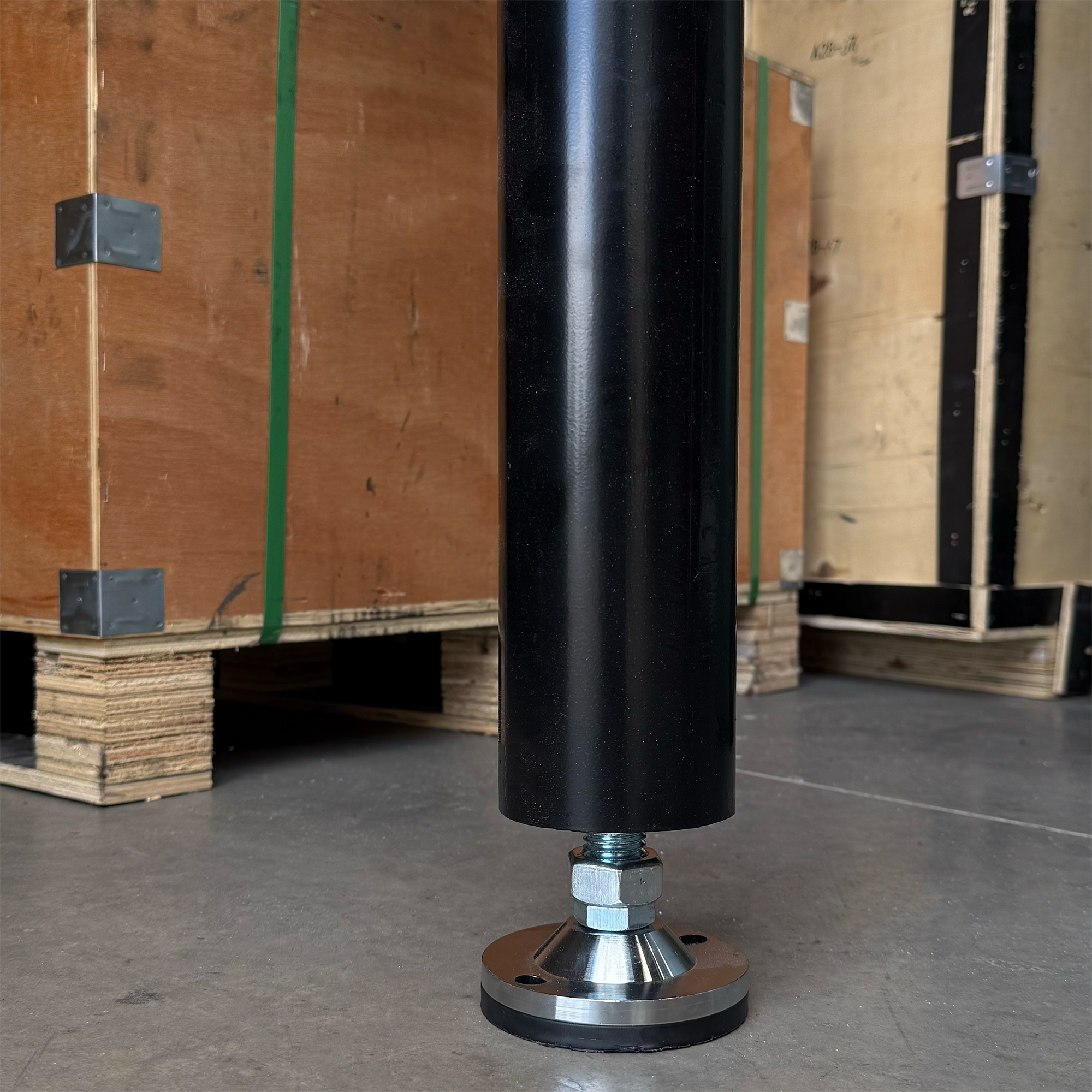
Fixed Legs

Fixed legs offer maximum stability for permanent setups

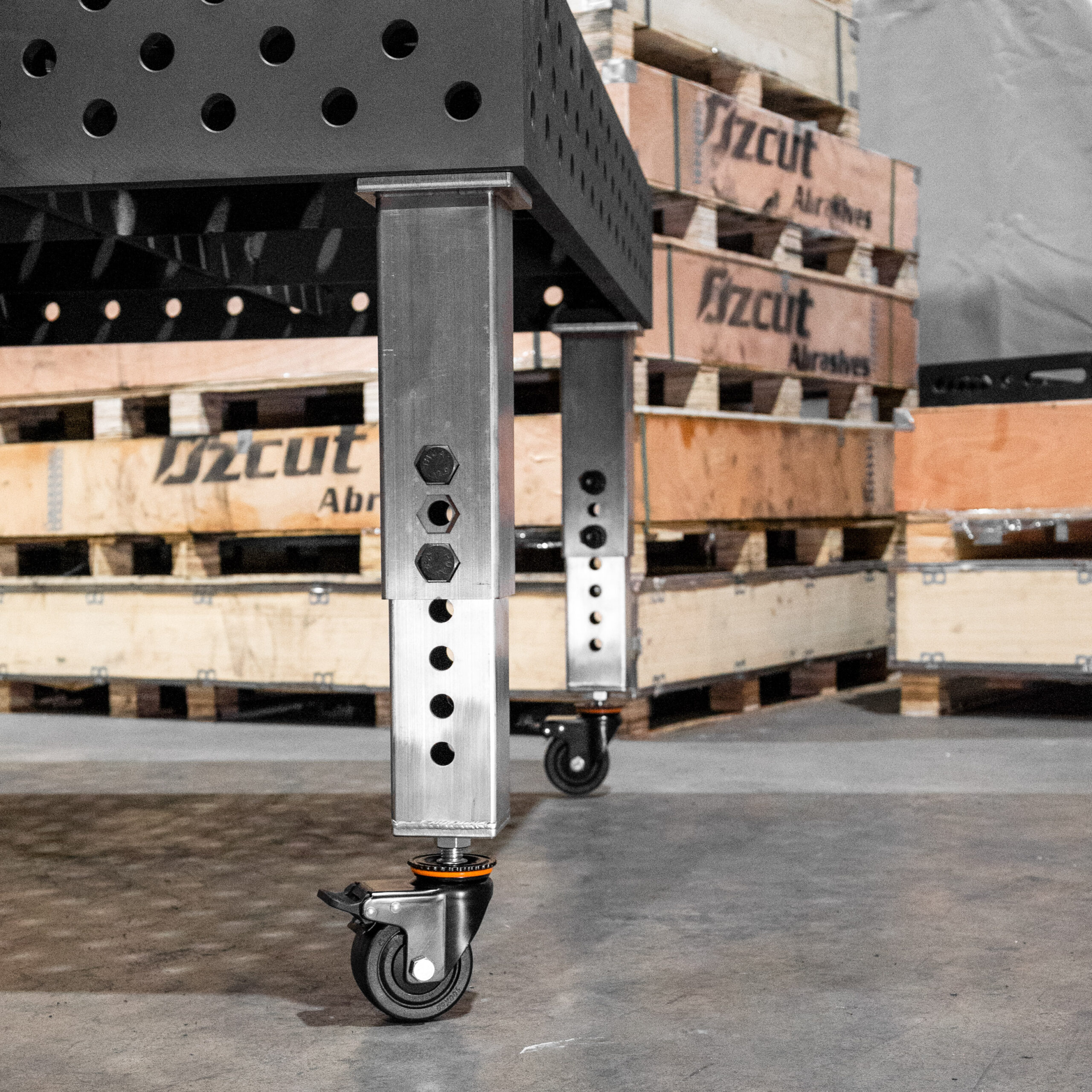
Adjustable Legs

Adjustable legs help you dial in the right working height

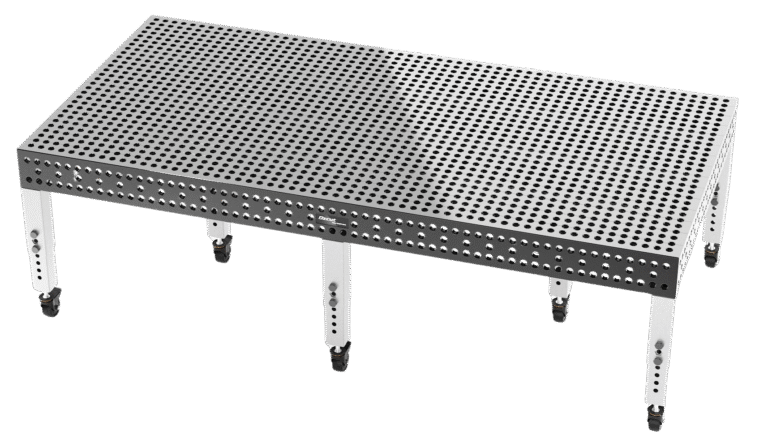
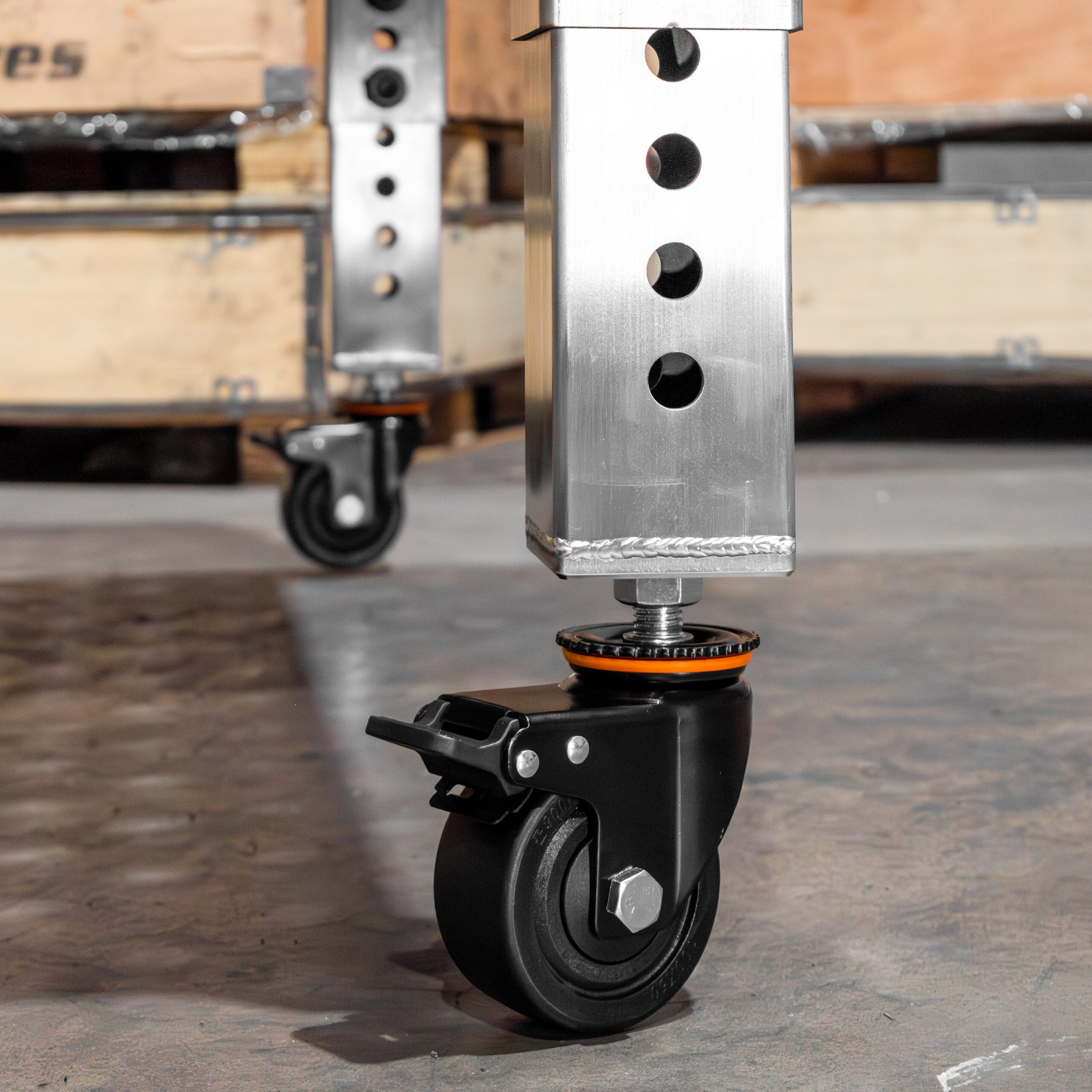
Caster Wheels

Caster wheels are useful in shops where space needs change

Ask yourself: will this table stay in one place, or move between jobs and work areas?

Welding Table Height: Comfort Equals Accuracy

Working height has a bigger impact than many people expect. Too low, and you’re constantly bent over. Too high, and control suffers.

Most fabrication shops settle in the 800-900mm range, but the ideal height depends on the operator and the type of work being done.

Over long weld sessions, the right height reduces fatigue and helps maintain precision.

Don’t Overlook Tooling and Accessories

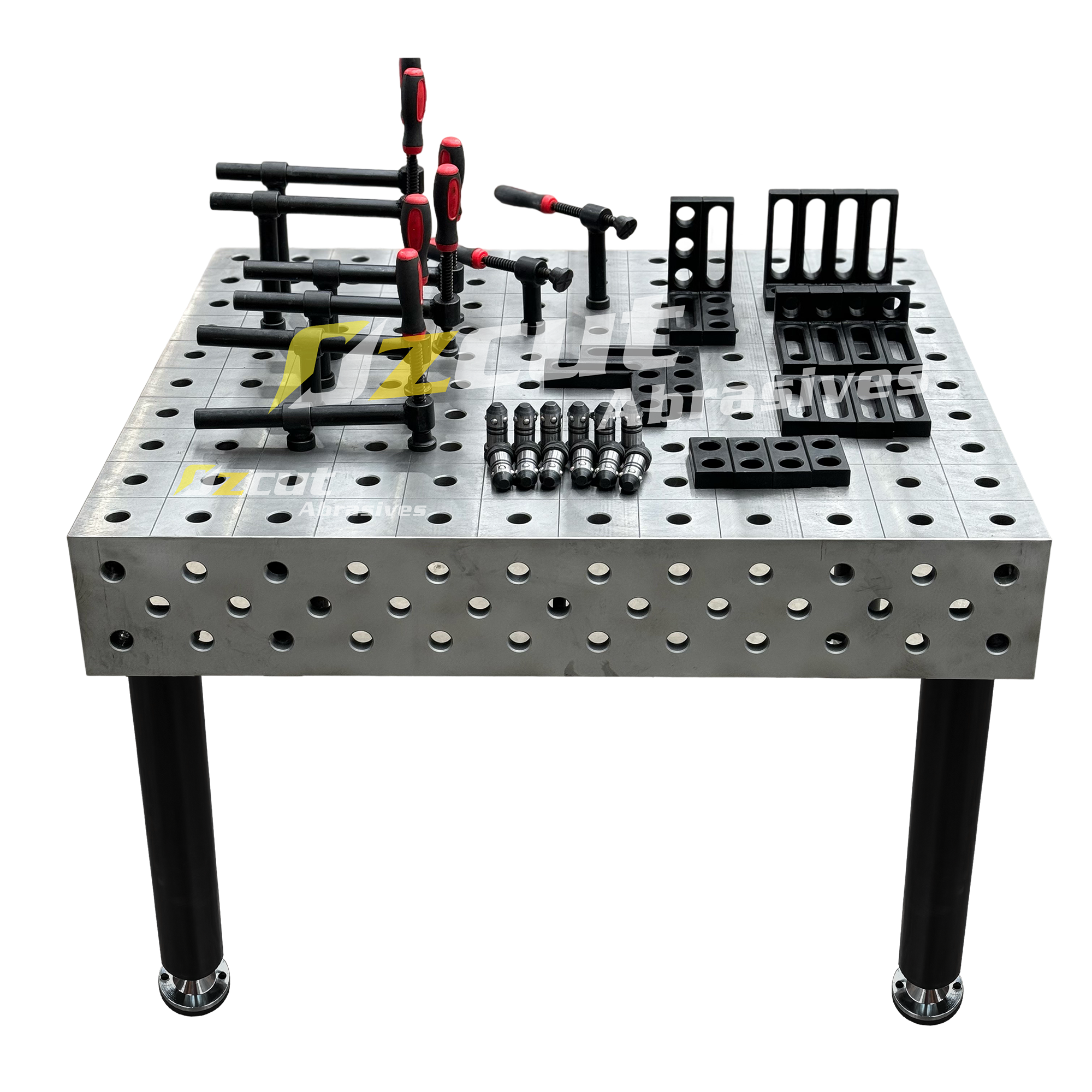
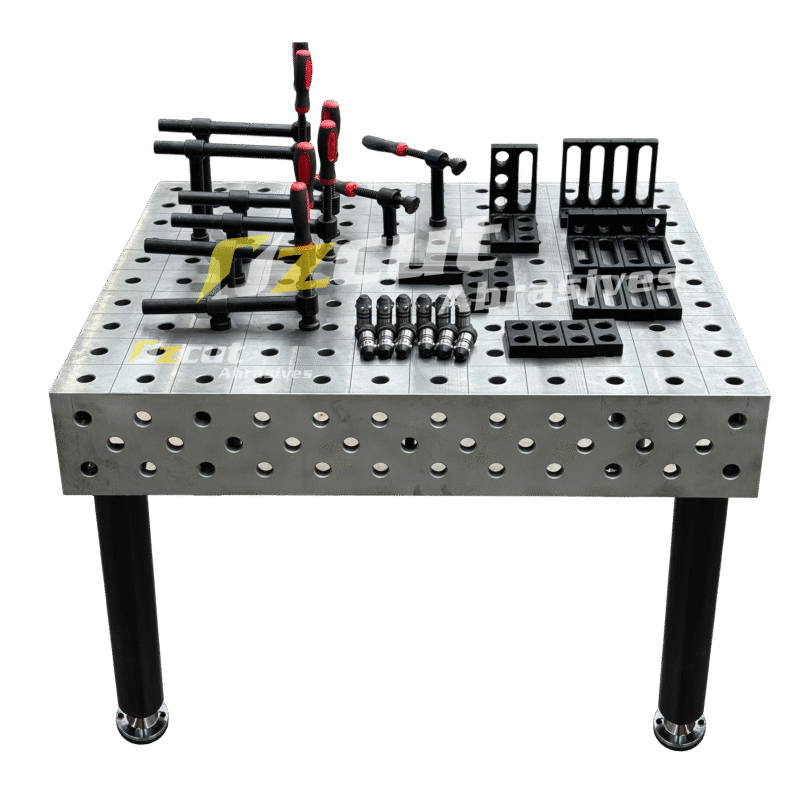
The table is the platform, and the tooling is what makes it powerful.
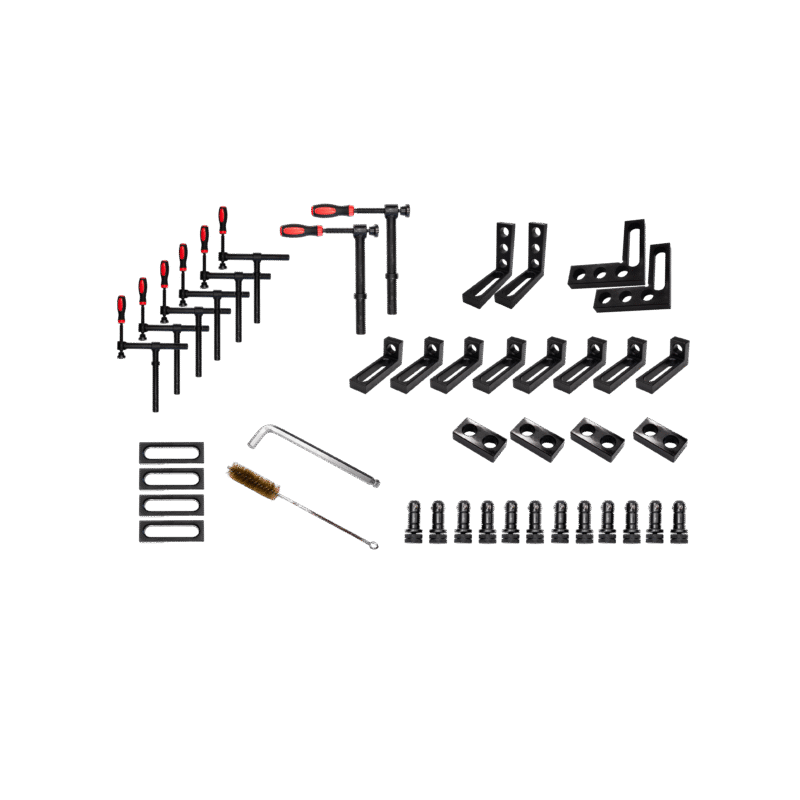
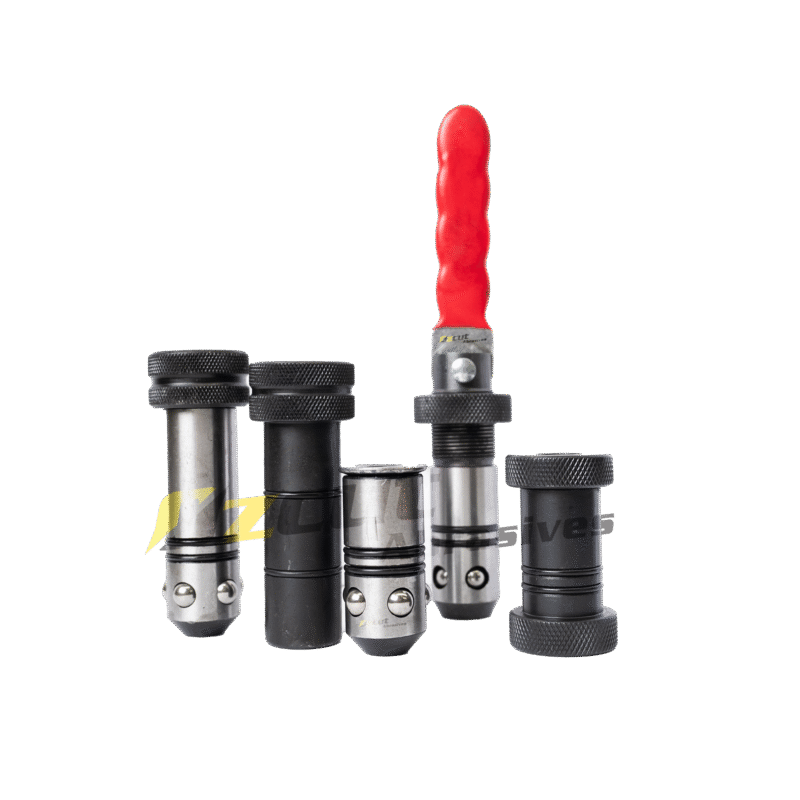
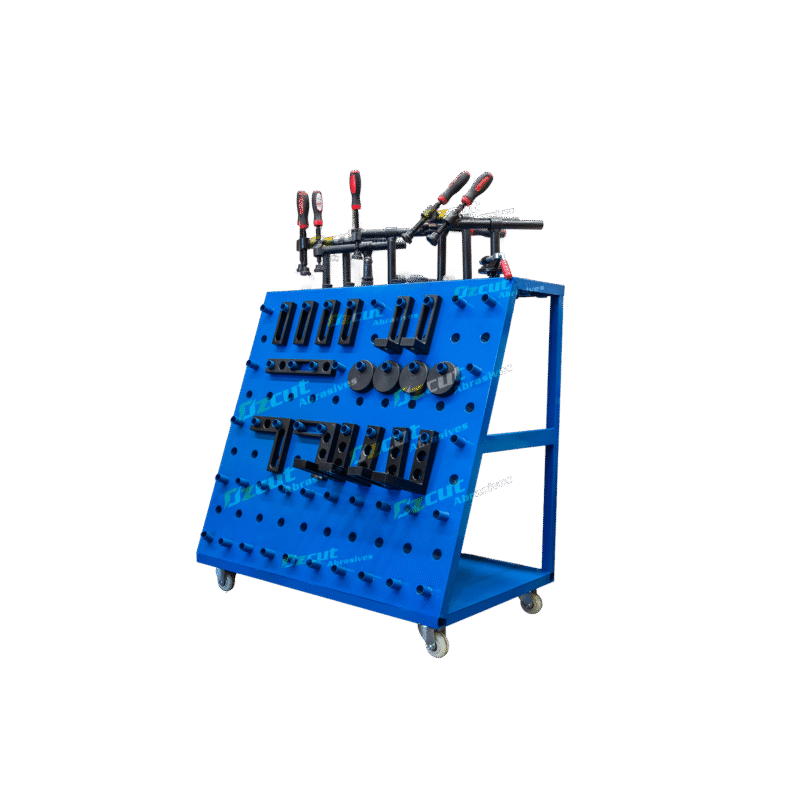
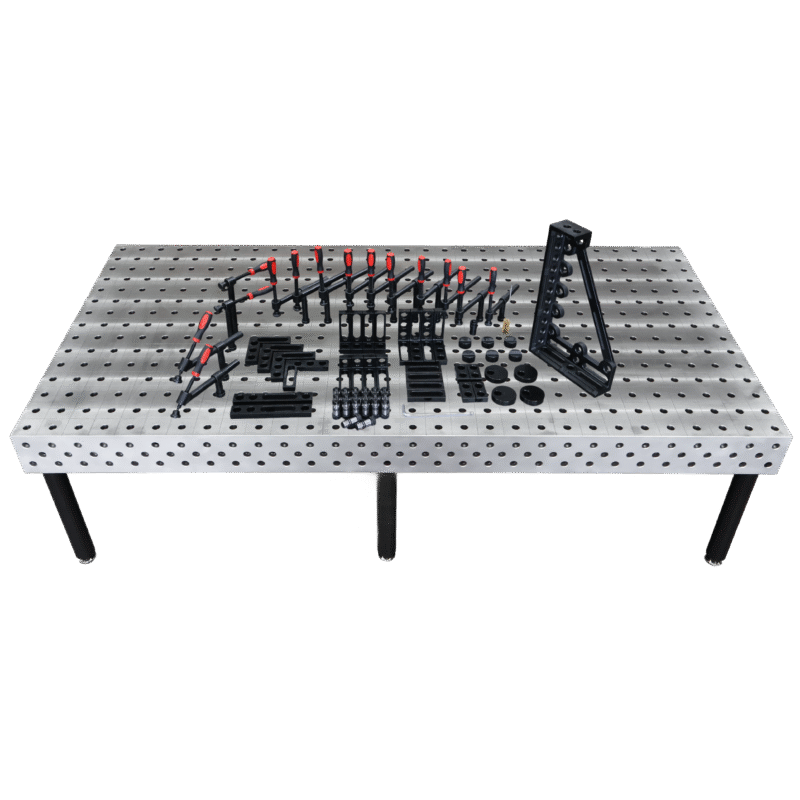
Common fixtures include:

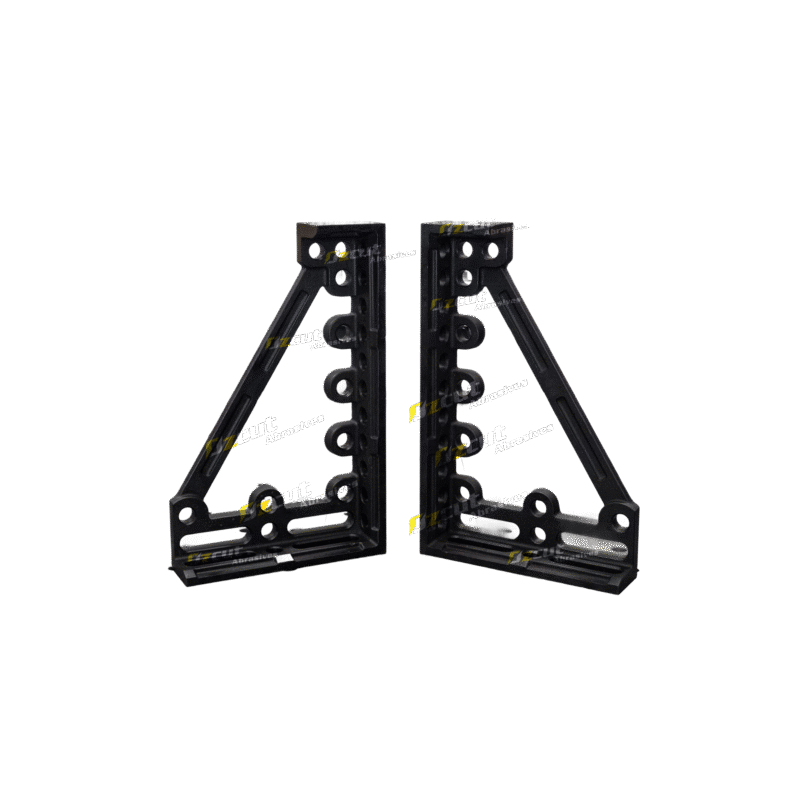
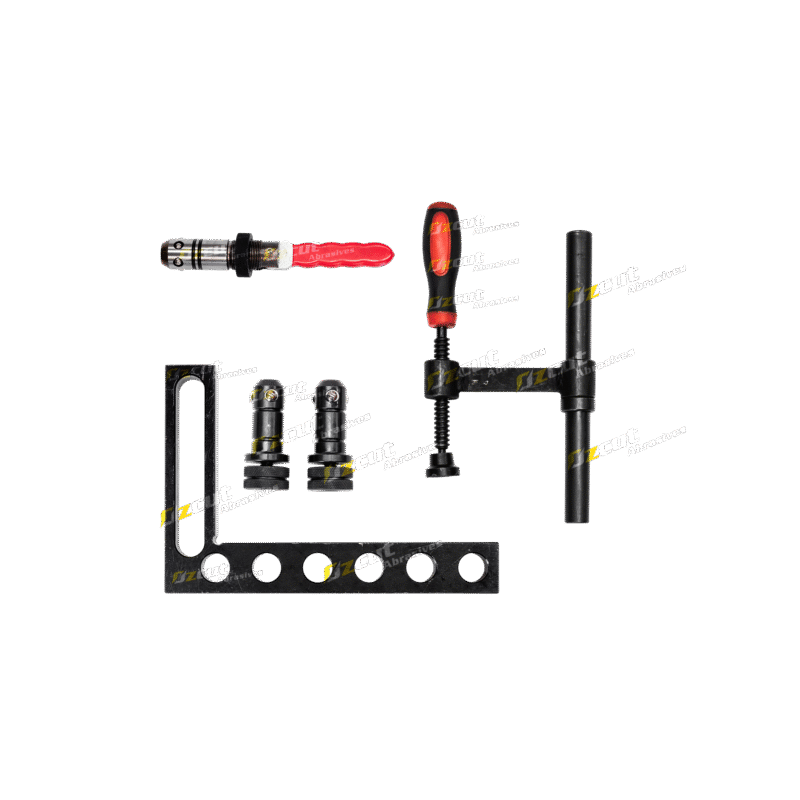
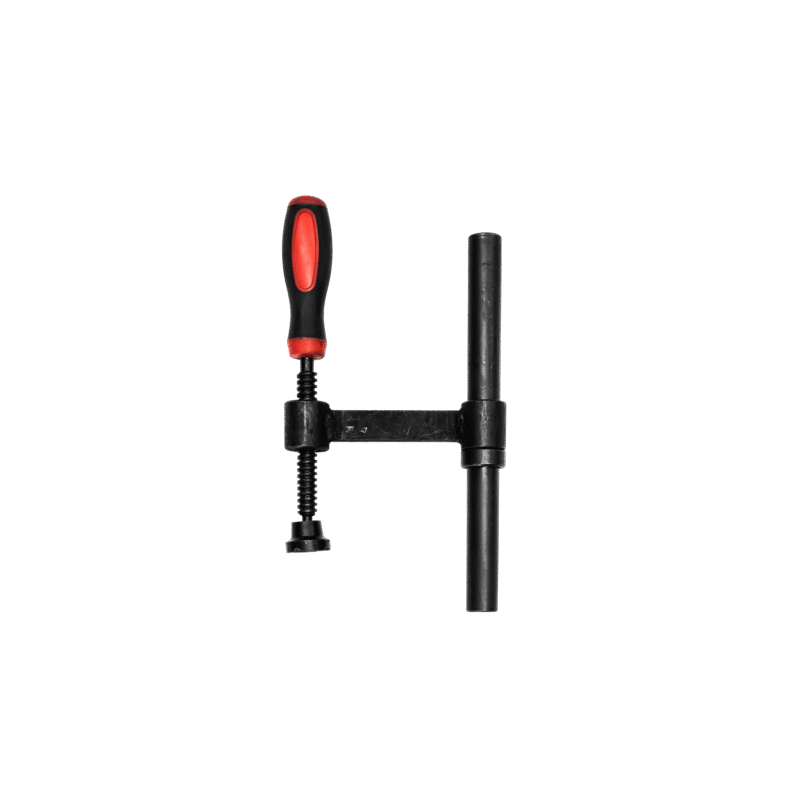
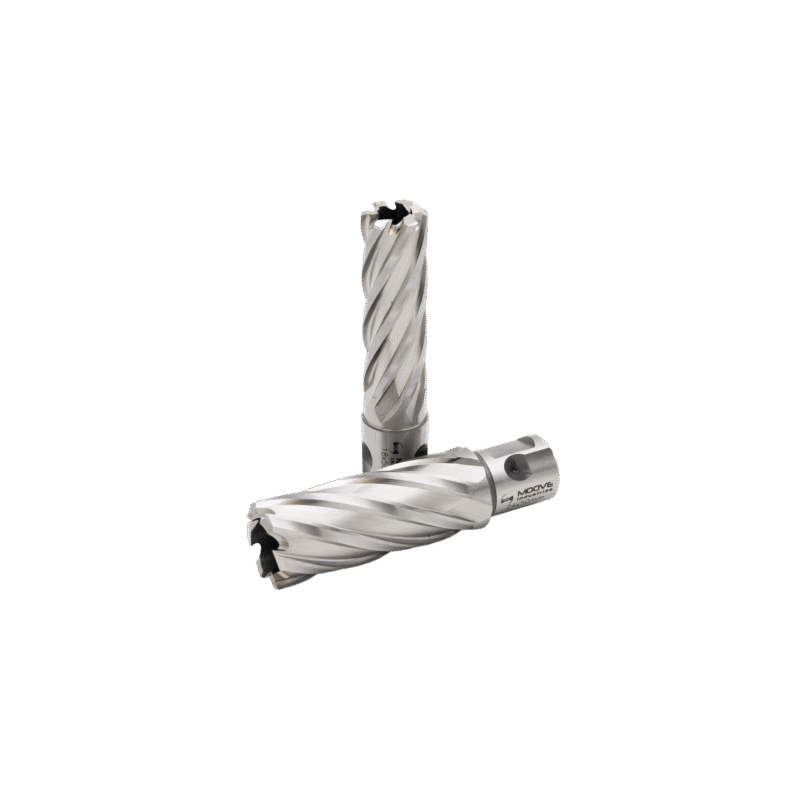
Good tooling reduces setup time dramatically and improves repeatability. A welding table without proper fixturing is like a drill press with no vice - usable, but slow and inconsistent.

Final Thoughts: Match the Table to Your Workflow

Choosing a welding table isn’t about buying the biggest, heaviest option available. It’s about matching your workflow, shop space, and job types.
Think about your day-to-day tasks, not just the occasional oversized project.
Select the size, material, and features that support fast, accurate fabrication most of the time.
A well-chosen welding table becomes the backbone of productive work for years - repaying the investment in speed, precision, and reliability every time you strike an arc.